Wild Vegetables Salad is one of the most seasonal dishes travelers encounter in parts of Xinjiang during spring, especially in smaller local restaurants, home-style kitchens, and regional markets where early-harvest greens briefly become part of everyday meals before disappearing again for most of the year.
Unlike standard vegetable salads built around lettuce or cultivated greens, this dish depends heavily on wild or semi-wild plants collected during a short harvesting window, which means the flavor, texture, and even bitterness level can vary noticeably depending on timing, preparation method, and storage conditions rather than the ingredient list alone.
For travelers unfamiliar with Central Asian or northwestern Chinese food traditions, the dish can feel surprisingly different from Western salad expectations because it emphasizes freshness, herbal sharpness, mild bitterness, and oil-based aroma instead of creamy dressing or strong sweetness.
What Makes Wild Vegetables Salad Different
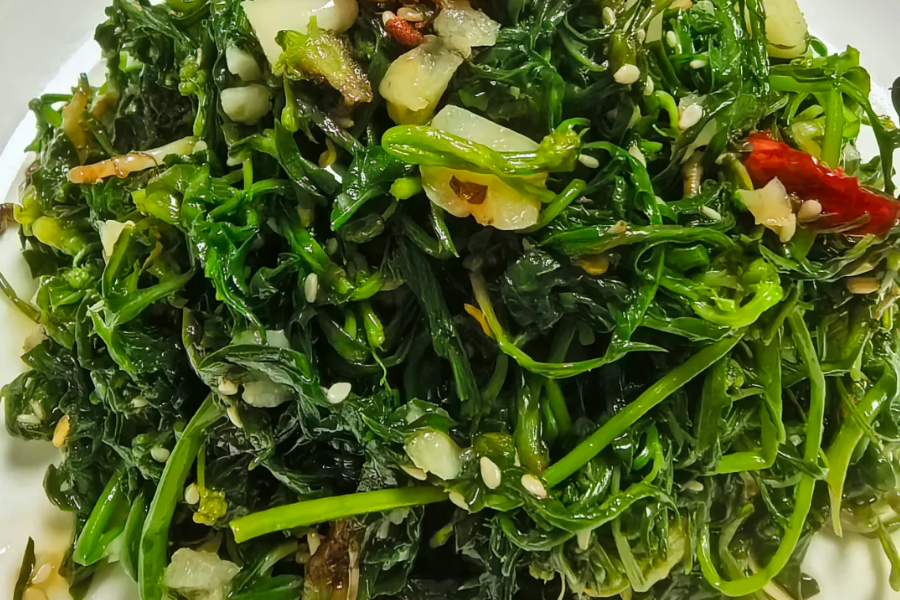
Most versions rely on seasonal mountain or field vegetables such as dandelion greens, wild amaranth leaves, nettles, shepherd’s purse, or regional bitter greens that are difficult to standardize across restaurants because availability changes quickly during spring.
In Xinjiang, preparation style matters more than recipe consistency, which explains why two restaurants serving “wild vegetable salad” may produce completely different textures and flavor balance even within the same city.
Some versions are served raw with lemon juice or vinegar-based dressing, although lightly blanched preparations are generally more common because blanching softens rough fibers, stabilizes color, and reduces excessive bitterness without removing the fresh plant aroma that defines the dish.
Travelers who prefer lighter food often respond well to the clean finish and layered herbal flavor, while visitors expecting heavily seasoned cold dishes sometimes find the taste unexpectedly restrained during the first few bites.
Why Timing Changes the Entire Experience
Wild vegetable dishes are highly sensitive to seasonality, and the best versions are usually tied to early spring harvesting periods when leaves remain tender and moisture content is still high.
As harvesting moves later into the season, many greens develop thicker fibers and stronger bitterness, which makes texture control more difficult and increases dependence on soaking or heavier seasoning.
Many travelers notice that restaurants handling vegetables immediately after harvest usually produce noticeably better texture, especially when the greens are blanched briefly and cooled quickly before seasoning.
A common pattern in Xinjiang kitchens is allowing the salad to rest after mixing rather than serving it immediately, because short resting periods help oil, garlic, vinegar, and chili aromatics integrate more evenly into the vegetables while reducing sharp raw bitterness.
Overnight marination is less common in restaurant settings but appears frequently in local home-style preparation, where deeper flavor integration is generally preferred over maximum crispness.
The Flavor Is More Complex Than It First Appears
The first impression is usually mild bitterness followed by cooling acidity and a softer herbal sweetness that develops gradually rather than immediately.
Olive oil is sometimes used in modern restaurant interpretations, although many local versions rely more heavily on hot oil poured over chili powder, garlic, or scallion to activate aroma before mixing the vegetables.
This technique changes the dish significantly because the oil carries fragrance into the greens while softening some of the harsher plant notes that can otherwise dominate the flavor profile.
Travelers often underestimate how important sequencing is in this process, since adding seasoning too early can weaken aroma absorption, while poor moisture control after blanching can dilute the final taste and reduce texture clarity.
The overall balance usually depends on four elements working together at the same time:
bitterness, acidity, oil aroma, and residual sweetness from fresh greens
When done well, the dish feels clean and layered rather than heavy, with texture carrying as much importance as seasoning intensity.
What Travelers Often Misunderstand
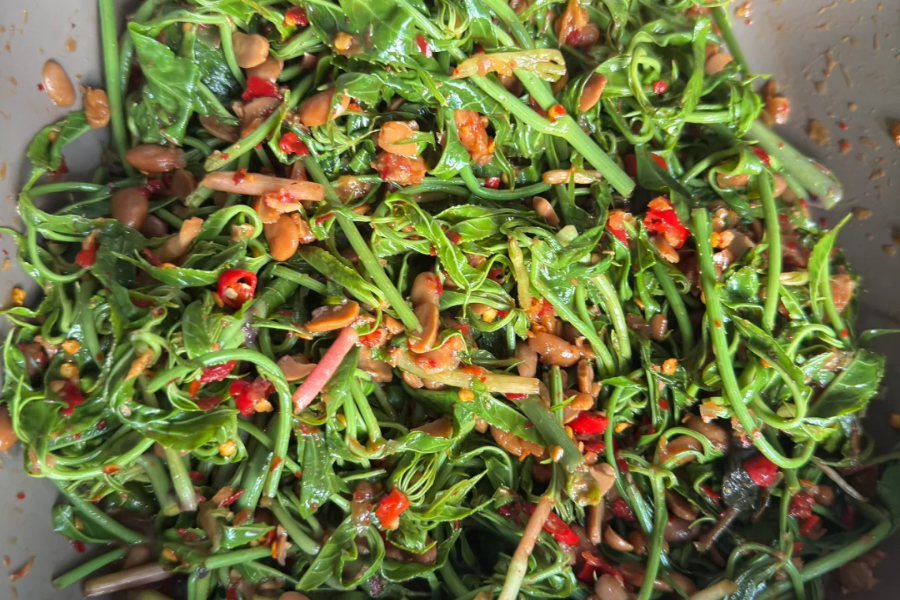
One common misunderstanding is assuming all wild vegetables can be handled identically, even though different greens react very differently to heat, soaking time, and oil.
Certain vegetables become overly soft after minimal blanching, while others remain unpleasantly fibrous without proper soaking or cooling procedures.
Travelers also sometimes expect stronger seasoning because many Xinjiang dishes are known for bold spice and meat-heavy flavors, yet wild vegetable preparations usually move in the opposite direction by prioritizing freshness, crispness, and plant character over intensity.
Another frequent issue is judging the dish immediately after mixing, since flavor integration improves noticeably after resting for several minutes.
Restaurants that rush preparation often produce sharper bitterness and weaker aroma balance, even when using high-quality greens.
Regional Variations Travelers May Encounter
Greek-style Chorta Salad is probably the closest international comparison travelers may recognize, especially because both dishes rely on boiled wild greens finished with oil and acidity rather than thick dressing.
Modern health-focused restaurants sometimes adapt the concept by adding quinoa, wild rice, nuts, berries, or cheese, creating a more substantial salad that feels closer to a complete meal than a seasonal side dish.
In Xinjiang, however, simpler versions remain more common, especially those emphasizing freshly harvested greens with garlic, chili oil, vinegar, and minimal additional ingredients.
This approach generally produces a lighter and more plant-forward experience that pairs well with grilled meat, flatbread, or heavier regional dishes.
Is Wild Vegetables Salad Worth Trying in Xinjiang
This dish is usually a better choice for travelers interested in seasonal local eating rather than comfort-focused dining.
You may prefer it if you enjoy:
slightly bitter greens
fresh herbal flavor
lighter side dishes
plant-based regional food traditions
It may feel less approachable if you strongly prefer rich sauces, strong sweetness, or heavily cooked vegetables.
The experience is less about dramatic flavor and more about texture, freshness, and timing, which explains why quality varies significantly between restaurants depending on sourcing and preparation discipline.
For travelers exploring Xinjiang food beyond kebabs and noodles, wild vegetable salad offers a clearer look at how seasonal ingredients still shape local eating habits in smaller cities and rural areas, especially during spring when freshness and handling speed matter more than complexity or presentation.
If you're planning a broader regional food route through Xinjiang, Hiorient Travel generally recommends trying seasonal dishes like this in smaller local restaurants or market areas rather than tourist-focused venues, where preparation tends to be faster but less precise in texture and flavor balance.