Many travelers first encounter pine nuts in China as a small snack sold in markets, mountain towns, or dried fruit stores, but the experience is often more connected to forest food culture than people initially expect, especially in northern regions where pine forests play a visible role in local seasonal products.
Unlike many packaged nuts, pine nuts are technically edible seeds collected from pine cones, and the process behind them is considerably more labor-intensive than most visitors realize, which partly explains why high-quality products are usually sold at noticeably higher prices in local markets.
In China, most premium pine nuts come from northeastern forest regions associated with Korean Pine trees, while other global producing areas include Siberia, Afghanistan, Pakistan, Italy, Spain, and parts of the southwestern United States. Chinese pine nuts are particularly common in export markets because of their relatively large kernel size and stable oil content.
The nuts themselves are small, pale ivory or light yellow, with a naturally oily surface and a softer texture than almonds or walnuts, and freshly processed kernels usually carry a mild resin-like aroma combined with a buttery finish that becomes more noticeable during chewing.
Travelers often expect pine nuts to function like ordinary convenience snacks, but the actual experience depends heavily on freshness, storage conditions, and whether the nuts are still inside the shell, since whole-shell products require significantly more handling effort before eating.
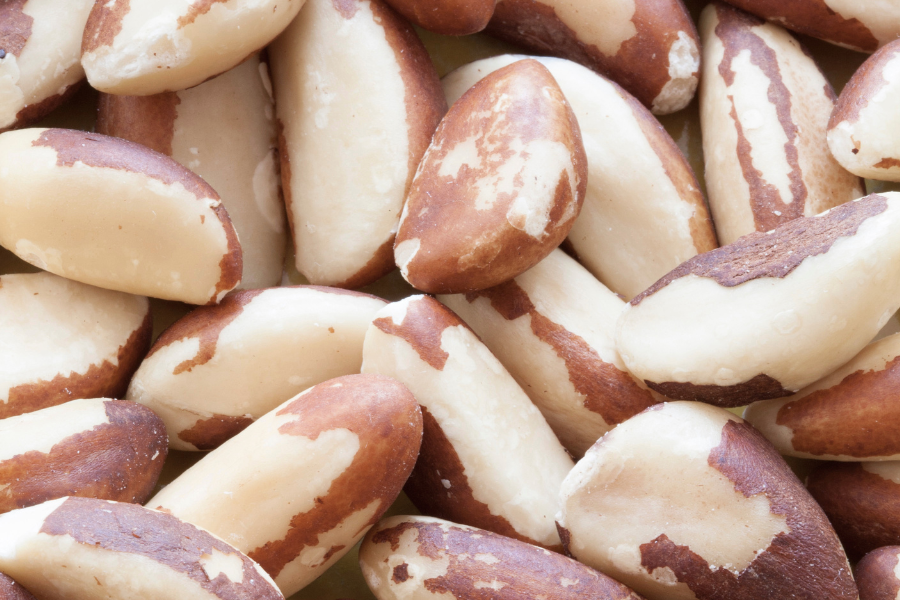
In many local markets, especially during autumn harvest season, pine cones and shell-on pine nuts are still sold together as part of the broader “wild mountain product” category, which includes naturally collected forest foods rather than heavily industrialized snacks.
The harvest season generally peaks between September and October, although the growth cycle behind pine nut production is much longer than most people assume, with some pine species requiring years of natural development before cones mature fully enough for seed extraction.
This long growth cycle is one reason pine nuts are often viewed as relatively high-value nuts rather than everyday low-cost snacks, particularly in regions where harvesting remains partially manual and extraction still requires drying, cracking, shell separation, and sorting before the edible kernels are ready for sale.
For travelers trying shell-on pine nuts for the first time, preparation tends to be more complicated than expected because the outer shell is hard and narrow, making it difficult to open without pressure tools or repeated cracking attempts, while broken shell fragments and natural oils can also create a slightly messy eating process.
Freshness makes a major difference in flavor quality, and many visitors notice that recently harvested pine nuts have a richer aroma and softer texture, while older products gradually lose sweetness and develop a flatter or slightly stale oil profile if exposed to heat or humidity for extended periods.
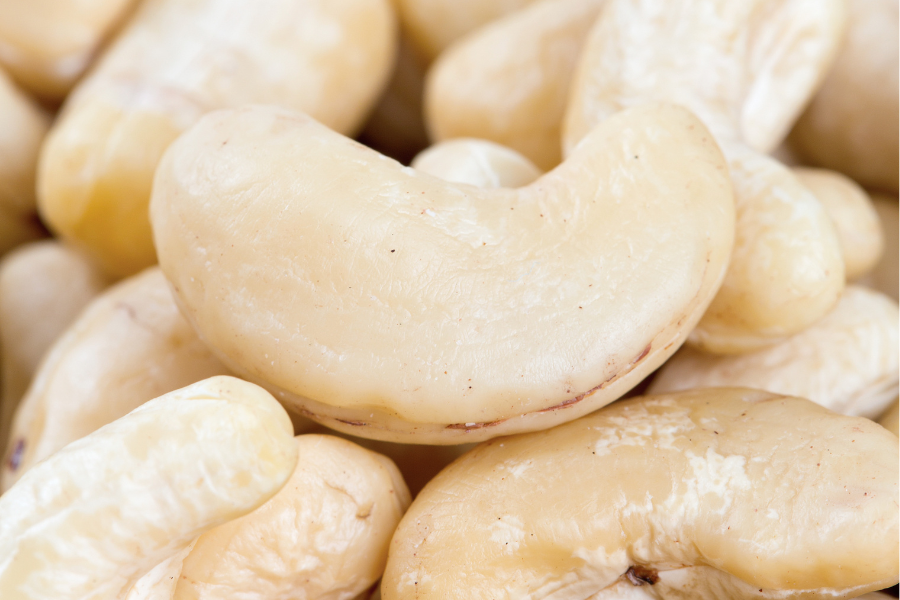
This becomes especially important when shopping in tourist markets where products may sit in open containers for long periods under warm conditions, since pine nuts contain high levels of unsaturated fats that oxidize relatively quickly compared with drier nuts.
When evaluating quality, travelers usually benefit more from checking kernel color and smell rather than focusing only on shell appearance, because lighter-colored kernels with a clean nut aroma generally indicate fresher products, while darker kernels or overly bitter smells may suggest oxidation or poor storage conditions.
Pine nuts are also widely used beyond direct snacking. In China, they appear in desserts, stir-fried dishes, festive sweets, and mixed nut products, while internationally they remain closely associated with pesto, bakery fillings, salads, and Mediterranean cuisine.
Nutritionally, pine nuts are considered energy-dense foods containing unsaturated fatty acids, protein, vitamin E, magnesium, zinc, and iron, which is why they are often viewed more as functional nutrition snacks than casual low-calorie foods, particularly during outdoor travel or long-distance road trips.
For travelers interested in regional food culture, pine nuts are usually a better fit for people who enjoy understanding how natural ingredients are collected and processed rather than those looking only for quick convenience snacks, because much of the experience comes from seeing the connection between forest ecosystems, seasonal harvesting, manual preparation, and freshness management.
If you plan to buy pine nuts during a China trip, we recommend choosing sealed products stored away from direct sunlight and consuming them relatively close to harvest season, since flavor consistency and texture tend to decline gradually during long storage periods, especially in humid environments.
For visitors exploring northern China or forest regions during autumn, pine nuts can also work as a practical local food souvenir because they are lightweight, relatively durable when sealed properly, and closely tied to regional mountain food traditions that many travelers do not encounter in urban supermarkets alone.
Toward the end of a longer China itinerary, travelers often become more selective about local snacks and food purchases, and pine nuts tend to stand out less because of visual appearance and more because they reflect a slower, more labor-intensive food process that is increasingly uncommon in modern convenience-driven travel experiences.