Wild honey is often described as a natural food product, but in real travel experiences, it behaves less like a standardized ingredient and more like a seasonal snapshot of its environment. In places where it is locally sourced, such as mountain and forest regions, the taste, texture, and even sweetness level can vary noticeably from batch to batch.
For travelers, this is usually the first adjustment in expectation. What you get is not a consistent product, but a reflection of local flora, weather conditions, and extraction timing.
What Wild Honey Really Is in Practical Terms
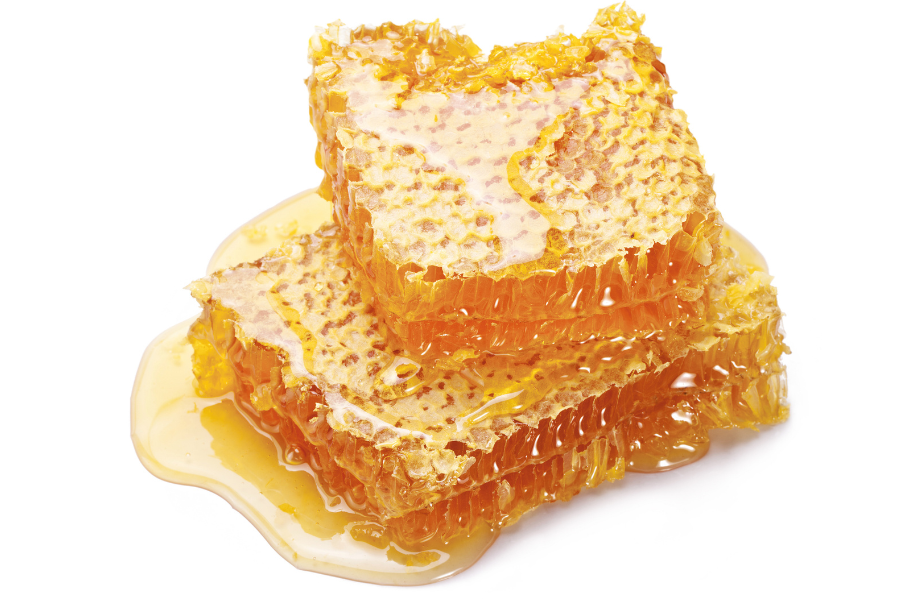
Wild honey comes from bees collecting nectar in uncontrolled natural environments, often forests, grasslands, or remote mountain areas. Unlike commercial honey production, there is minimal human management of the hive.
In real usage, this creates a few important outcomes for travelers to understand:
The floral sources are mixed and unpredictable
Each batch has a different aroma and density
Processing is often minimal, with less filtration or heating
From a travel perspective, this means every tasting experience is slightly different, even within the same region.
The key point is simple — wild honey is defined by variability, not consistency.
Flavor Profile – Why It Never Tastes the Same Twice
In real consumption settings, wild honey rarely delivers a single “expected” flavor. Instead, it tends to shift based on season, temperature, and how recently it was extracted.
Fresh comb honey usually feels more intense, with a thicker texture and stronger floral presence. Over time, the structure softens and the flavor becomes lighter and less concentrated.
Travelers often notice:
A floral sweetness that is never purely one-dimensional
Occasional herbal or woody undertones depending on region
Slight changes in taste even within the same container over time
This variability is normal, not a quality issue. It reflects the natural processing cycle rather than industrial standardization.
Sweetness and Texture – Managing Expectations
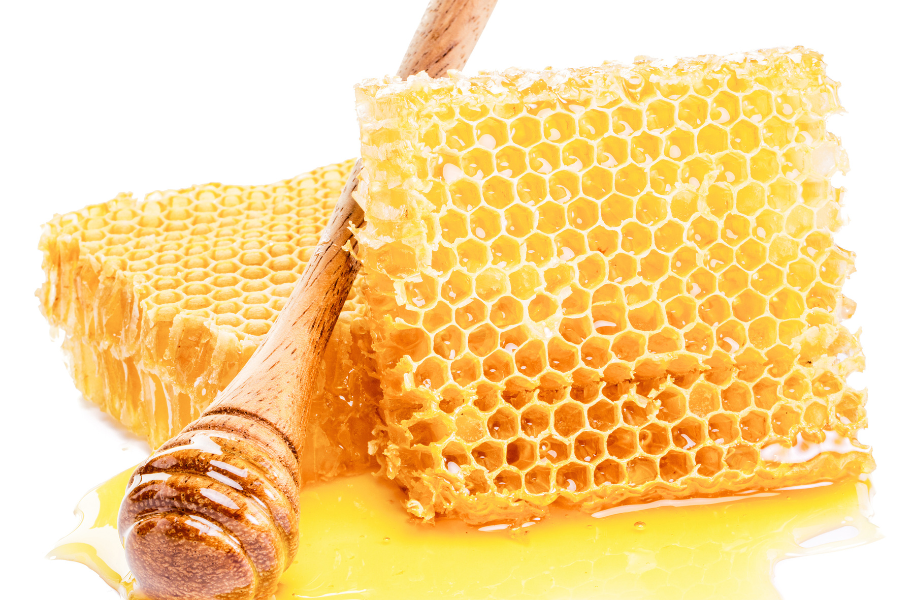
One common misunderstanding is expecting wild honey to taste uniformly sweet. In practice, sweetness levels vary significantly between batches.
Some varieties are intensely sweet and can feel heavy on the palate, while others are milder due to higher pollen content or different floral sources.
Texture also shifts:
Fresh honeycomb feels firm and structured
After exposure to air, it gradually softens
Heat accelerates texture breakdown
For most travelers, freshness matters more than origin label when it comes to taste quality.
How Storage and Timing Affect the Experience
Wild honey is highly sensitive to handling after extraction. The same product can feel very different depending on when it is consumed.
In real-world travel conditions, the most noticeable changes happen when honey is:
Cut and left exposed for too long
Stored in warm environments
Transported without temperature control
A better experience usually comes from consuming it shortly after opening or cutting the comb, when the structure is still intact and the aroma is more concentrated.
Common Misconceptions Travelers Have
Based on typical visitor feedback, a few expectations often don’t match reality:
Many assume wild honey remains stable like commercial honey, but it changes quickly once exposed.
Others expect uniform sweetness, when in fact variation is the defining characteristic.
There is also a tendency to focus only on flavor, while overlooking texture stability as part of the experience.
In practice, freshness and structure influence enjoyment as much as taste.
Practical Tips for Better Experience
If you are trying wild honey in natural or local settings, a few simple choices improve overall quality:
Prefer intact comb honey instead of pre-cut pieces
Consume it soon after opening for better texture
Avoid prolonged exposure to heat during storage or transport
These small details have a direct impact on both taste intensity and mouthfeel.
Final Takeaway for Travelers
Wild honey is best understood as a natural, variable food rather than a standardized product. Its value lies in its connection to environment and seasonality, not uniform taste.
It suits travelers who are comfortable with natural variation and are interested in experiencing local food systems in a less processed form.
For a more predictable experience, commercial honey may be more suitable. But for those exploring regional foods in natural settings, wild honey offers a more direct and authentic reflection of place and season.