What to Expect in Altay Stargazing
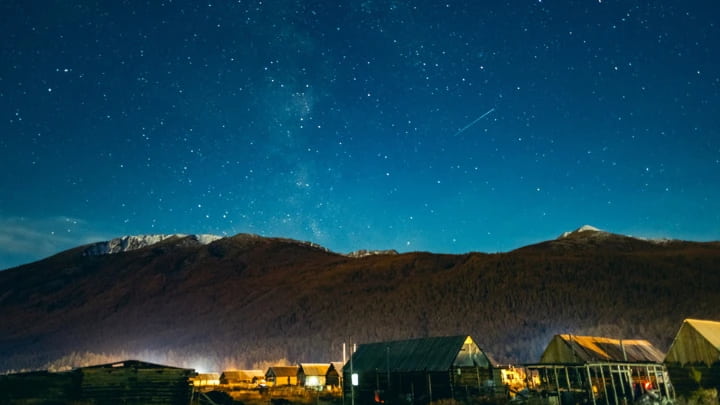
Altay Stargazing is less about formal astronomy and more about experiencing extremely dark mountain landscapes under clear night skies. Most viewing areas are located across remote parts of Altay Prefecture, including Hemu Village, Kanas Scenic Area, Baihaba Village, and the Altai Mountains interior.
This experience feels very different from urban observatory tourism. There are few structured facilities, limited nighttime services, and almost no artificial lighting once you leave towns or ski resorts.
Altay works best for travelers who enjoy remote environments, cold-weather outdoor activities, astrophotography, or slow nighttime experiences. Travelers expecting organized observatories or guaranteed Milky Way visibility every night may find the experience more weather-dependent than expected.
The most memorable part is often the atmosphere itself — silent grasslands, frozen forests, snow-covered valleys, and unusually bright stars visible across large open horizons.
Best Time to Visit Altay Stargazing
The best stargazing season generally runs from May to October, with July and August offering the clearest Milky Way visibility across northern Xinjiang.
Autumn usually provides the cleanest atmospheric conditions. September and early October often bring sharper visibility, drier air, and more stable night skies compared with mid-summer.
Winter creates longer darkness periods and stronger contrast over snowfields, but temperatures can become physically demanding after sunset. Some mountain areas may also experience difficult road conditions during heavy snow periods.
Moon phase timing matters more than many travelers expect. Clear moonless nights generally provide much better visibility than bright moonlit evenings, even under otherwise good weather conditions.
Recommended Itineraries in Altay Stargazing
Classic Route (4–5 Days)
A common first-time route combines Altay City, Hemu Village, and Kanas Scenic Area.
This route covers the region’s best-known night-sky environments while keeping transfers relatively manageable. Most travelers experience a combination of forest-edge viewing areas, open grasslands, lakeside night photography, and mountain valley skies.
The pace is generally balanced rather than rushed. It works well for travelers who want both daytime sightseeing and nighttime photography opportunities without extensive remote driving.
Extended Route (7–9 Days)
A longer route usually adds Baihaba Village, Koktokay, or deeper Altai Mountains areas beyond the main tourism corridor.
This option creates darker viewing conditions and fewer artificial light sources, especially near grassland camps, snowfields, or isolated valley regions. It is generally better for astrophotography, winter night landscapes, or travelers prioritizing wilderness atmosphere over convenience.
Driving distances become significantly longer on this route. Weather flexibility also becomes more important because cloud cover can affect observation conditions across different valleys and mountain zones.
Custom Route Option
Altay stargazing is highly dependent on weather, moon phase, and regional visibility conditions, so many travelers adjust routes after arrival.
Some travelers combine stargazing with winter skiing itineraries near Altay ski resorts. Others prefer combining Hemu Village with grassland camping or yurt stays during summer.
A custom route becomes especially useful when balancing photography goals, transportation efficiency, and overnight weather windows across northern Xinjiang.
How to Get to and Around Altay Stargazing
Most travelers enter the region through Altay Airport or by train connections from Urumqi. From there, long-distance road travel is usually required to reach major stargazing areas.
Transportation becomes more complicated after sunset. Distances between villages, camps, and mountain valleys are larger than many travelers expect, and nighttime driving conditions can become difficult in remote areas.
Public transportation is possible between some major tourism towns during daytime, but late-night movement is limited. Travelers focused on photography or deep-sky viewing often prefer private vehicles or local drivers because observation timing usually depends on weather and darkness conditions rather than standard sightseeing schedules.
Staying close to observation areas is generally a better choice than attempting long nighttime returns through mountain roads.
Where to Stay in Altay Stargazing
Hemu Village is usually the most practical base for first-time visitors. It combines relatively accessible accommodation with strong nearby night-sky visibility, especially outside the central village lighting areas.
Kanas Scenic Area works better for travelers who want lake landscapes and forest foregrounds in their photography compositions. However, lighting near developed hotel zones may reduce viewing quality compared with more remote camps or open grasslands.
Baihaba Village is often preferred by travelers prioritizing darker skies and quieter conditions. Facilities are more limited, but light pollution is significantly lower than in more developed tourism areas.
For extended routes, some travelers choose yurts, snowfield camps, or small mountain lodges closer to remote viewing locations. This usually improves observation flexibility while reducing late-night transportation pressure.
Practical Travel Tips
Night temperatures often drop much faster than expected, even after relatively warm daytime conditions. Wind exposure across grasslands and snowfields can also make long observation sessions physically demanding.
Travelers usually benefit from bringing:
Insulated outerwear, hand warmers, backup batteries, tripods, headlamps, and thermos bottles
Battery drain is common during winter photography sessions. Condensation and frozen equipment can also affect cameras and lenses after extended exposure outdoors.
Mobile signal coverage becomes unreliable in some mountain areas. Offline maps, fuel planning, and flexible timing help reduce unnecessary risk during remote night travel.
Many travelers underestimate how late full darkness arrives during summer in northern Xinjiang. Deep-sky visibility often improves significantly after tourist activity decreases and skies stabilize later at night.
Is a Guided or Private Tour Worth It
Independent travel is possible in Altay, but stargazing logistics are often more complicated than standard sightseeing routes.
Weather windows change quickly, observation areas are widely dispersed, and some roads become difficult after dark or during winter conditions. Travelers unfamiliar with the region may spend significant time adjusting routes, checking visibility conditions, or navigating remote mountain roads at night.
A guided or private itinerary usually improves efficiency when combining transportation, weather flexibility, photography timing, and overnight accommodation planning across multiple observation areas.
This is often a better choice for travelers visiting Altay primarily for astrophotography, winter night landscapes, or remote wilderness experiences where timing and local road knowledge affect the overall experience significantly.
Altay Stargazing works best when expectations remain flexible and schedules allow room for weather changes. Clear skies, low wind, and dark moonless nights matter more than fixed sightseeing schedules, especially across remote parts of the Altai Mountains region.
For travelers planning multi-day routes across northern Xinjiang, organizing transportation and overnight locations in advance usually creates a smoother and more reliable night-sky experience.