Mushroom Stew is a slow-cooked dish built around mushrooms, broth, and often cream or vegetables. It sits between soup and stew, with a thicker texture than soup but a lighter body than meat-heavy stews. In many Western-style home kitchens and modern health-focused menus, it is considered a comfort dish built on natural umami rather than strong seasoning.
For travelers, especially in mountain regions like northern Xinjiang routes around Altay, it becomes less about a recipe and more about how it fits into long-distance travel breaks and seasonal ingredients.
What Mushroom Stew Actually Feels Like on the Table
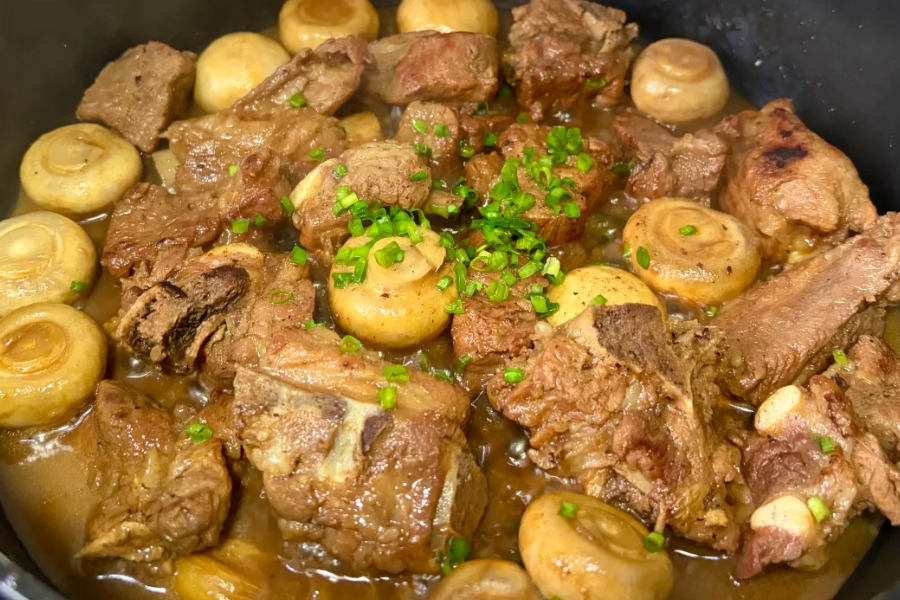
The most noticeable feature is not appearance but depth of flavor. The broth is usually the main driver of taste, carrying a strong mushroom umami base that feels clean rather than greasy.
Cream-based versions add a smoother texture, while wild mushroom versions feel more earthy and layered. The dish often looks darker than expected, which can mislead first-time visitors into assuming it is heavy or oily, but the taste profile is usually more balanced than it appears.
From a travel dining perspective, it is better understood as a warming, restorative dish rather than a visually refined plate.
Ingredient Structure and Flavor Logic
Most versions follow a simple structure built for slow extraction of flavor:
Mushrooms such as white button, brown mushrooms, porcini, or shiitake
Onion and garlic as the aromatic base
Butter or olive oil for initial sautéing
Vegetable, chicken, or beef stock as the broth foundation
Cream or milk in richer versions
Herbs like thyme, parsley, or rosemary
Salt and black pepper for balance
The cooking logic is consistent across variations. Mushrooms are usually seared first to develop a deeper aroma, then slowly simmered to release umami into the broth. Cream is typically added at the end to avoid separation and maintain smooth texture.
Regional Dining Context in Mountain Routes
In northern Xinjiang mountain areas such as Altay, mushroom-based stews are often tied to seasonal availability and local sourcing. The flavor intensity can vary significantly depending on harvest timing and mushroom variety.
These dishes are commonly served along travel routes rather than in dedicated dining destinations. They function as recovery meals during long drives between scenic stops, which changes how travelers experience them.
Portions are often larger than expected. What appears as a single dish is frequently designed for sharing, especially in local mountain restaurants where group dining is the norm.
Timing, Travel Flow, and Eating Conditions
Meal timing in these regions is usually shaped by road schedules rather than fixed restaurant plans. Midday stops can feel rushed due to travel logistics, while early stops tend to be more relaxed and flexible.
Because distances between scenic points are longer than map estimates suggest, food stops often serve a functional purpose. They are part of the travel rhythm rather than standalone culinary experiences.
This makes timing less predictable but also more integrated into the journey itself.
Common Misunderstandings Travelers Have
One of the most frequent misunderstandings is underestimating how filling Mushroom Stew can be. Even without meat, the combination of broth, cream, and mushrooms creates a high satiety level.
Another assumption is that mushroom dishes are always light. In reality, beef-and-mushroom versions or cream-based stews can be quite rich and heavy.
Visual appearance also leads to misjudgment. Dark broth is often associated with strong or oily flavors, but in practice, many versions taste clean, balanced, and aromatic.
Practical Eating Approach for Travelers
Mushroom Stew is best experienced without rushing. The flavor develops gradually as it cools slightly, making slower meals more rewarding than quick stops.
Sharing is usually the most efficient approach due to portion size and travel context. Pairing it with rice, bread, or noodles improves balance and makes it more suitable as a full meal rather than a standalone soup.
From a travel efficiency perspective, coordinating meals with driving segments helps reduce fatigue and improves overall comfort during long routes.
Who This Dish Fits Best
This type of dish is better suited for travelers who prioritize regional authenticity and natural flavor over presentation or fine dining structure. It works particularly well in flexible itineraries where meal timing adapts to road conditions.
It is also a practical choice for group travelers, as sharing improves both portion control and tasting variety.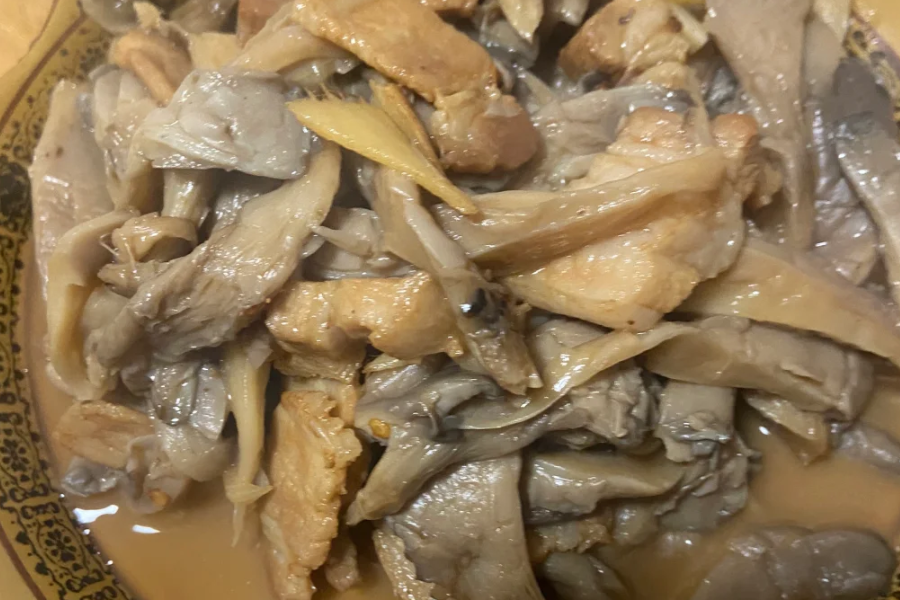
Travel Decision Insight
Mushroom Stew is not a dish to plan around in advance. It is better understood as part of a travel rhythm shaped by geography, distance, and seasonal sourcing.
A well-structured itinerary helps improve the experience by aligning meal stops with long driving segments. This reduces uncertainty and makes food breaks feel more intentional rather than incidental.
For travelers moving through mountain regions, it becomes less about what you order and more about when and where you pause along the journey.