Wild berries in Xinjiang are less about finding large quantities of fruit and more about experiencing seasonal mountain landscapes through small-scale harvesting. Most travelers encounter this activity in higher-altitude grassland and forest regions during summer, where berries appear naturally rather than through commercial farming.
The experience changes quickly depending on weather, elevation, and timing. Some areas may have dense patches of fruit one week and very limited availability the next. That unpredictability is part of the appeal, but it also affects planning.
Unlike organized fruit farms in other destinations, wild berry picking in Xinjiang often feels informal and spread out. Travelers move through open terrain, pause at different patches, and spend more time walking than harvesting.
What “Wild Berries” Usually Means in Xinjiang
The term “wild berries” does not refer to one specific fruit. In most travel cont
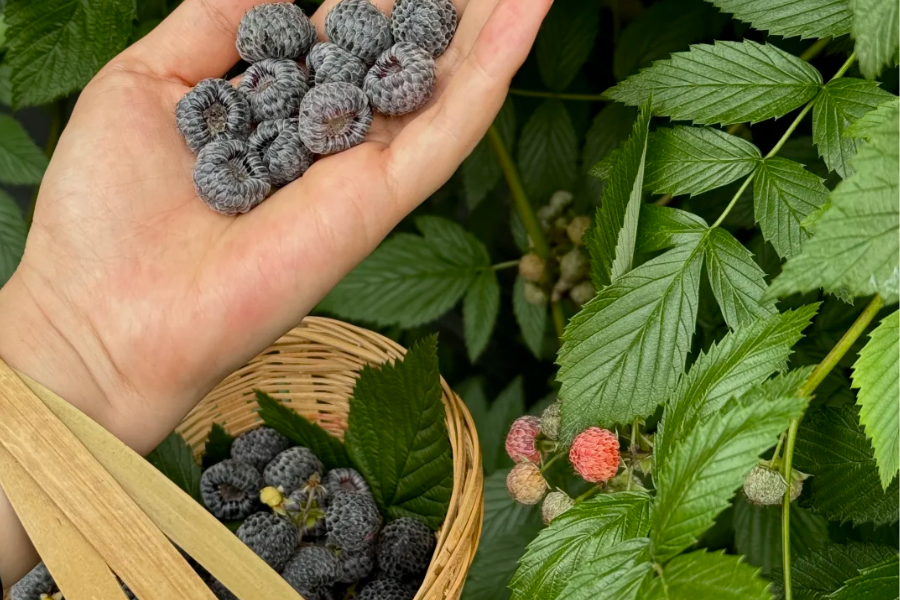 exts, it describes a mix of naturally growing mountain berries found in forest edges, alpine meadows, or cooler valley regions.
Depending on the region and season, travelers may encounter:
Wild blueberries
Raspberries
Blackberries
Currants
Huckleberry-type berries
Flavor profiles are usually stronger and less sweet than cultivated supermarket berries. Many visitors notice a sharper acidity and denser texture, especially in colder mountain environments.
The berries themselves are often small, with uneven appearance and variable ripeness. That is normal in natural harvesting conditions.
Why Travelers Join Wild Berry Picking Experiences
For most visitors, the attraction is not the fruit volume. It is the combination of outdoor movement, mountain scenery, and seasonal food culture.
A typical outing often includes:
Walking through open grassland or forest terrain
Stopping at scattered berry patches
Sampling fruit directly after picking
Spending several hours outdoors in cooler mountain air
This type of activity tends to work better for travelers who enjoy slow-paced nature experiences rather than structured sightseeing schedules.
Families usually prefer lower-altitude accessible areas with shorter walking distances. Independent travelers and photographers often choose less-developed mountain routes where landscapes feel more open and less managed.
The Best Time for Wild Berry Picking
Timing matters more than location.
In Xinjiang mountain regions, berry seasons are generally short and heavily affected by elevation and rainfall. Lower areas may begin producing fruit in early summer, while colder alpine zones peak later.
Most travelers find the best conditions between early July and mid-August.
Morning tends to be the most comfortable time for picking because:
Temperatures remain lower
Sun exposure is less aggressive
Fruit freshness is usually better
Walking conditions feel easier
Afternoon heat can become tiring quickly in exposed mountain terrain, especially in regions with limited shade.
What the Terrain Actually Feels Like
Many visitors expect a relaxed orchard-style activity. In reality, wild berry picking in Xinjiang is usually more physical than expected.
The terrain often includes:
Loose dirt paths
Uneven grassland
Rocky slopes
Wet ground near streams
Light uphill walking
Distances between productive berry areas may also feel longer than they appear visually.
Travelers frequently spend more time searching than picking. In some mountain areas, the landscape experience becomes the main part of the trip rather than the harvest itself.
This is a better choice if you enjoy outdoor movement and flexible exploration. Travelers looking for highly organized agricultural tourism may prefer commercial fruit farms instead.
Weather and Comfort Conditions Change Quickly
Mountain weather shifts fast in many Xinjiang regions.
Clear morning visibility can turn into strong afternoon sun or sudden wind exposure within a few hours. Higher elevations may also feel significantly colder even during summer.
We recommend bringing:
Light sun protection
Extra water
Comfortable hiking shoes
A light outer layer for temperature changes
Insect activity can increase near wetter grassland areas during warmer periods, especially around sunset.
Common Misunderstandings Travelers Have
One of the biggest misconceptions is expecting guaranteed fruit abundance throughout the season.
Natural yield changes constantly depending on:
Recent rainfall
Temperature shifts
Visitor activity
Wildlife movement
Local ecological conditions
Some travelers also assume the experience is mainly about collecting large amounts of berries. In practice, many mountain routes are more rewarding for scenery, outdoor atmosphere, and seasonal immersion.
This is especially true in less-commercialized areas where environmental conditions matter more than tourism infrastructure.
Food Safety and Wild Harvesting Awareness
Not all wild berries are safe to eat.
Some edible and non-edible species can appear visually similar, especially for travelers unfamiliar with local plants. Certain berries may also be unsafe before full ripeness.
For independent picking, local guidance is important.
Travelers should avoid:
Eating unidentified berries
Picking near roadside pollution zones
Consuming damaged or partially spoiled fruit
Assuming all dark-colored berries are edible
In guided seasonal experiences, local hosts often help identify safe harvesting areas and explain which fruit is traditionally consumed.
How Wild Berries Appear in Local Food Culture
Fresh-picked berries are sometimes eaten directly, but many are used in lighter processed forms because of their tartness and short shelf life.
Travelers commonly encounter wild berry flavors in:
Homemade jam
Yogurt combinations
Cold drinks
Pastries
Mixed berry desserts
In tourism settings, “wild berries” can also function as a broader seasonal flavor concept rather than a guarantee of specific fruit varieties.
Some products marketed as wild berry flavored may contain blended cultivated berries instead of fully wild-harvested fruit.
Is It Worth Adding to a Xinjiang Itinerary
For travelers already visiting mountain regions in summer, wild berry experiences can work well as a slower half-day outdoor activity.
They fit particularly well with:
Grassland routes
Forest-edge hiking areas
Family summer trips
Photography-focused itineraries
Seasonal eco-tourism experiences
The activity is less suitable for travelers with very tight schedules or those expecting a fast, attraction-based experience.
Because harvesting conditions change frequently, independent planning can sometimes become inefficient during peak season. Coordinating transportation, timing, and local access in advance usually makes the experience more predictable and less tiring.
For travelers exploring remote Xinjiang mountain regions, a structured route often helps reduce uncertainty around seasonal availability and travel logistics.