Xi'an is famous for the Terracotta Warriors and its ancient history, but the city's culture extends far beyond its historical attractions. As a former imperial capital and starting point of the ancient Silk Road, Xi'an developed a unique identity shaped by Chinese traditions and centuries of cultural exchange.
Today, Xi'an culture can be experienced through its food, traditional neighborhoods, festivals, markets, music, and everyday local life.
Xi'an's Famous Food Culture
Food is one of the best ways to experience Xi'an. The cuisine of Shaanxi Province is known for noodles, breads, lamb dishes, dumplings, and strong, savory flavors.
One of the city's most famous foods is roujiamo, a crispy flatbread filled with slow-cooked meat. Another must-try dish is biangbiang noodles, famous for their extremely wide, hand-pulled noodles.
Other local favorites include:
Yangrou Paomo – bread served in rich lambsoup
Liangpi – cold noodles with chili andseasonings
Lamb skewers
Xi'an dumplings
Persimmon cakes
The Muslim Quarter
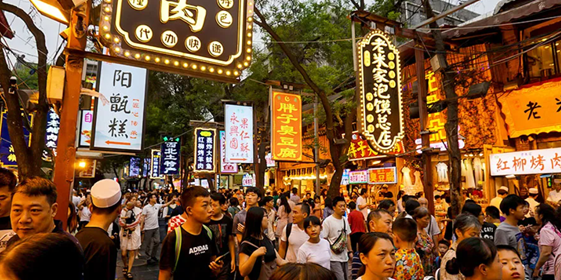
Xi'an's Muslim Quarter is one of the best places to experience the city's multicultural heritage.
Its busy streets are filled with food stalls, restaurants, shops, markets, and traditional architecture. Visitors can watch vendors prepare noodles, breads, grilled meats, sweets, and other local specialties.
The neighborhood reflects Xi'an's long connection with the Silk Road and the Muslim communities that became part of the city's history.
Traditional Xi'an Life
Despite Xi'an's rapid modernization, traditional local life remains visible throughout the city.
Early in the morning, public parks and squares come alive as residents practice tai chi, exercise, dance, or socialize with friends. Local markets provide another opportunity to observe everyday life while trying fresh fruit, snacks, and regional foods.
Exploring neighborhoods away from the major tourist attractions can reveal a quieter and more authentic side of Xi'an.
Traditional Arts and Performances
Xi'an has preserved many artistic traditions associated with Shaanxi culture.
One of the most distinctive is Qinqiang Opera, a traditional form of Chinese opera known for its powerful singing style. Traditional music, shadow puppetry, calligraphy, and folk crafts are also important parts of the region's cultural heritage.
Visitors can find cultural performances at theaters and heritage attractions throughout the city.
Tang Dynasty Culture
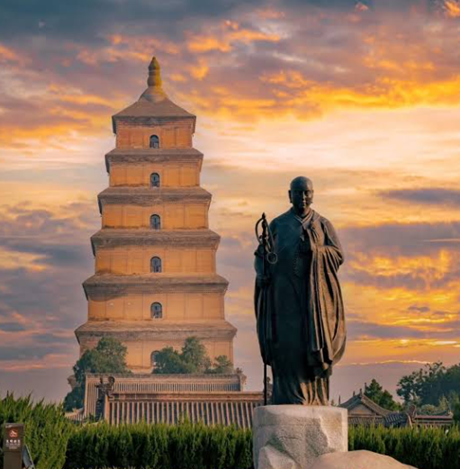
The Tang Dynasty was one of Xi'an's most prosperous periods, when the city—then known as Chang'an—became a major international center.
Modern Xi'an celebrates this history through architecture, cultural performances, museums, and attractions inspired by Tang Dynasty life.
The area surrounding the Big Wild Goose Pagoda and Great Tang All Day Mall becomes particularly lively in the evening, with illuminated buildings, performances, and visitors wearing traditional Chinese clothing.
Traditional Festivals in Xi'an
Major Chinese festivals provide some of the best opportunities to experience local traditions.
During Chinese New Year, Xi'an is decorated with lanterns and festive displays, while families gather for meals and celebrations.
The Lantern Festival brings colorful lantern displays and cultural activities, while the Mid-Autumn Festival is traditionally associated with family gatherings and mooncakes.
Festival periods can be busy, but they also allow visitors to see another side of local culture.
Hanfu Culture in Xi'an
Xi'an has become one of China's most popular destinations for experiencing Hanfu, traditional clothing inspired by historical Chinese styles.
Around the Ancient City Wall, Big Wild Goose Pagoda, and Tang-themed districts, visitors frequently see people wearing elaborate historical clothing for professional photography.
Travelers can rent Hanfu, arrange makeup and hairstyling, and take photographs against Xi'an's historic architecture.
Tea Houses and Local Social Life
Tea remains an important part of Chinese social culture, and Xi'an has many traditional and modern tea houses.
Spending an afternoon drinking tea provides a slower way to experience the city after visiting its major attractions. Some tea houses also feature traditional music or cultural performances.
Local restaurants, parks, markets, and neighborhood cafés are equally good places to observe how modern Xi'an residents combine traditional customs with contemporary city life.
Xi'an's Silk Road Influence
Xi'an's position at the eastern end of the ancient Silk Road played an important role in shaping its culture.
Merchants and travelers brought foods, religions, music, artistic traditions, and ideas from Central Asia and other regions into the city.
This cultural exchange remains visible today, particularly through Xi'an's Muslim heritage, food traditions, religious sites, and historical architecture.