For centuries, Kazakh nomadic communities moved across the vast grasslands and mountain regions of Central Asia. Their seasonal migrations brought them into areas that are now part of northern Xinjiang, where they developed communities closely connected with the mountains, rivers, and pastures.
Today, Kazakh culture is an important part of northern Xinjiang, especially in areas such as Ili, Altay, and Tacheng. Traditional horse culture, pastoral life, yurts, music, food, and festivals continue to reflect this long history.
The Kazakh Steppe – A Nomadic Way of Life
Traditional Kazakh society developed around pastoral nomadism. Families moved between seasonal pastures with their horses, sheep, cattle, and other livestock. The vast grasslands of the Eurasian steppe allowed communities to travel according to the seasons. This lifestyle helped shape many aspects of Kazakh culture, from traditional clothing and food to horse riding and hospitality.
Migration Toward Northern Xinjiang
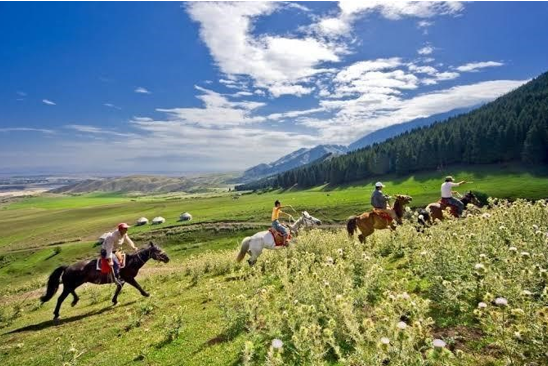
During the 18th and 19th centuries, significant numbers of Kazakh groups moved into northern Xinjiang. The Ili Valley, Altay Mountains, and Tacheng region provided valuable grasslands and mountain pastures for pastoral communities. Political changes, conflicts, changing borders, and competition for pasture all influenced these migrations. Over time, Kazakh communities became an important part of the cultural landscape of northern Xinjiang.
Ili Valley – Grasslands and Pastoral Culture
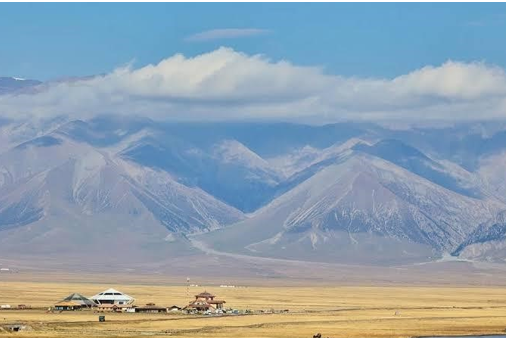
The Ili Valley is one of the best-known areas associated with Kazakh culture in Xinjiang. Its rivers, mountains, and wide grasslands created favorable conditions for traditional pastoral life.
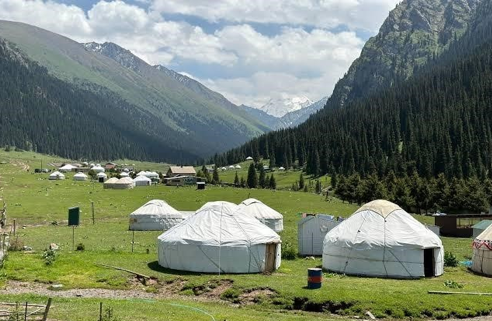
Today, travelers visiting the region can see beautiful grasslands, mountain scenery, horses, and traditional yurts. The landscape offers a glimpse into the close relationship between Kazakh communities and nature.
Altay – Mountains, Horses and Nomadic Traditions
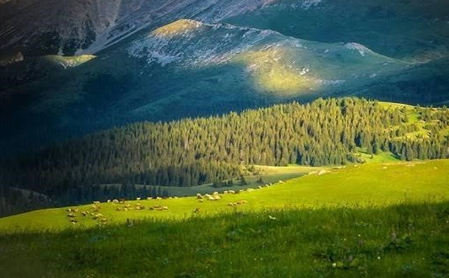
The Altay region has long been an important home for Kazakh communities. Its high mountains and extensive pastures supported seasonal livestock herding. Horse riding remains an important part of Kazakh cultural traditions, while traditional music, clothing, food, and celebrations continue to connect modern communities with their nomadic heritage.
The Yurt – A Symbol of Nomadic Life
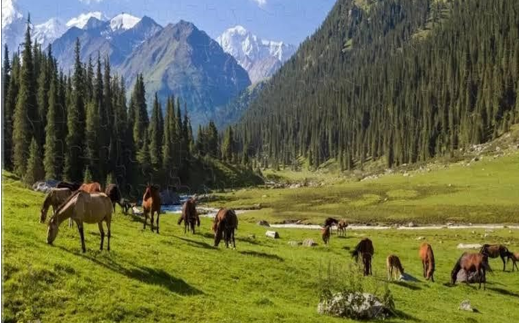
The traditional yurt is one of the most recognizable symbols of Kazakh culture. Its portable design made it practical for families who moved between seasonal pastures.
Although many Kazakhs in Xinjiang now live in permanent homes, yurts remain an important cultural symbol and can still be seen in pastoral areas and during cultural events.
Music, Food and Cultural Traditions
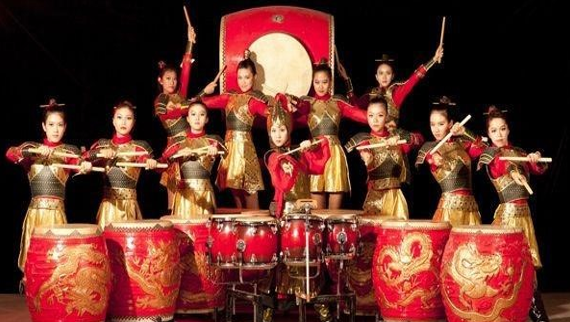
Kazakh culture in northern Xinjiang is also expressed through music, storytelling, traditional celebrations, and cuisine. Horse-related traditions and folk performances remain important parts of cultural life.
Traditional foods often include meat, dairy products, noodles, bread, and milk tea, reflecting the region's pastoral lifestyle and Central Asian influences.
Kazakh Culture in Northern Xinjiang Today
Modern life has changed the traditional nomadic lifestyle, but many cultural traditions remain an important part of community life. Kazakh communities continue to preserve their language, music, food, festivals, and connection with pastoral landscapes.
For travelers, visiting northern Xinjiang provides an opportunity to experience both the region's spectacular scenery and the cultural heritage that developed across these grasslands and mountains.
A Journey Through the Kazakh Heritage of Xinjiang
The story of Kazakh migration from the Central Asian steppe to northern Xinjiang is a story of movement, adaptation, and cultural continuity. The Ili Valley, Altay, and Tacheng regions remain important places for understanding this heritage. Exploring these areas allows travelers to see how mountains, grasslands, horses, pastoral traditions, and centuries of cultural exchange have shaped the unique character of northern Xinjiang.