Kashgar is one of the best-known cities in southern Xinjiang and has a long connection with the Silk Road. Its historic streets, markets, architecture, food, and location near the Pamir Mountains make it an important destination for travelers exploring western China.
A visit to Kashgar can include historic neighborhoods, religious architecture, local markets, traditional food, handicrafts, and mountain journeys beyond the city.
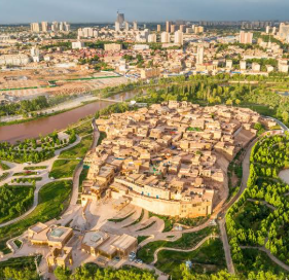
Explore Kashgar Old City
The Old City is one of Kashgar's main attractions. Its narrow streets, traditional homes, workshops, cafés, bakeries, and small shops create an atmosphere very different from modern Chinese cities.
Walking is one of the best ways to explore because many details are easy to miss when traveling quickly. Allow time to look at doors, courtyards, crafts, food, and everyday street life.
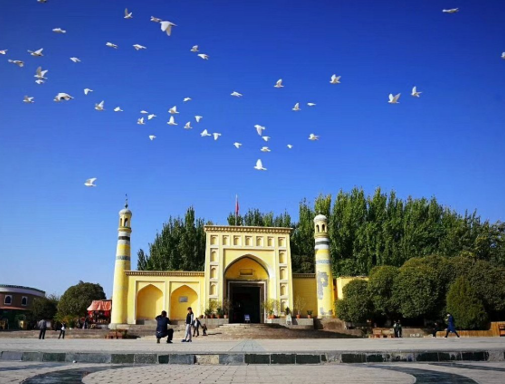
Id Kah Mosque
Id Kah Mosque is one of Kashgar's most important landmarks. The mosque and surrounding square are closely connected with the city's religious and cultural history.
Visitors should follow current visiting rules and respect prayer times and local customs. Dress should be appropriate for a religious site.
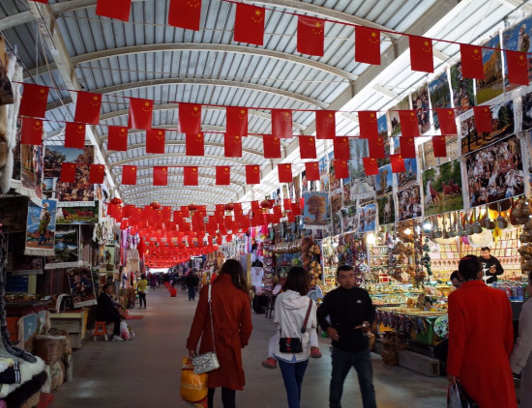
Kashgar's Markets
Markets are an important part of Kashgar's identity. Visitors can find local foods, dried fruit, spices, textiles, crafts, musical instruments, and other goods.
The famous Sunday market is particularly well known, although market activity also takes place throughout the week. Travelers interested in local commerce and traditional products should allow enough time to explore rather than simply passing through.
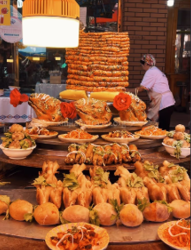
Try Local Food
Kashgar is an excellent place to try Xinjiang cuisine. Naan, noodles, grilled meat, rice dishes, fruit, tea, and other local foods are widely available.
Food is also part of the cultural experience. Small restaurants and street stalls can provide an introduction to local flavors, while traditional bakeries offer another way to experience daily life in the city.
Handicrafts and Local Shopping
Visitors can find carpets, textiles, hats, musical instruments, metalwork, woodwork, and other traditional products in Kashgar. When shopping, take time to understand whether an item is locally made and ask about its materials and production.
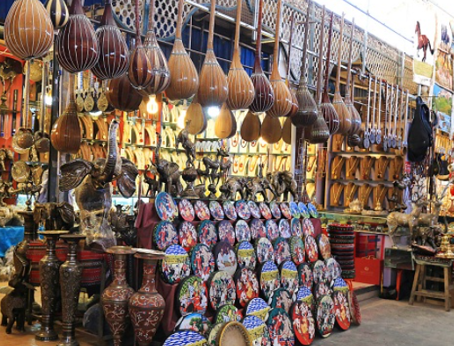
Visit the Kashgar Sunday Market
If your itinerary allows, visiting Kashgar on a Sunday can provide the chance to see the city's famous Sunday market. The market has long been associated with livestock trading and wider commercial activity.
Because market arrangements can change, check current local information before planning your visit around a specific section or activity.
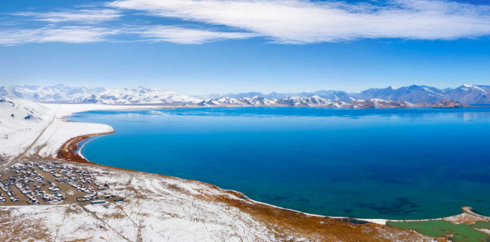
Karakul Lake and the Pamir Mountains
Kashgar is also a starting point for journeys toward the Pamir Plateau. The road from the city leads into increasingly dramatic mountain scenery, with valleys, high peaks, and alpine lakes.
Karakul Lake is one of the most popular scenic stops. The lake is surrounded by high mountains and can look very different depending on weather and light.
Kashgar for Photography
Kashgar offers many different photography subjects, from old-city streets and architecture to markets, food, crafts, mountains, and desert landscapes. Early morning and late afternoon can provide softer light for outdoor photography.
Best Time to Visit Kashgar
Kashgar can be visited in different seasons. Spring and autumn are generally comfortable for walking and sightseeing. Summer can be hot, while winter is colder but can offer a quieter atmosphere.
The best season depends on whether you want comfortable city exploration, mountain scenery, or a particular festival or cultural experience.
How Many Days Do You Need?
Two to three days can provide a good introduction to Kashgar's Old City, major landmarks, markets, food, and shopping. Travelers adding the Pamirs should plan additional days because mountain journeys require more time.
Longer itineraries can connect Kashgar with other southern Xinjiang destinations and Silk Road sites.
Picture:
Travel Tips
Check current transportation, attraction opening times, and local access requirements before departure. Keep identification and travel documents available, especially when traveling outside the city.
Wear comfortable shoes because exploring the Old City and markets involves substantial walking.
Kashgar and the Silk Road
Kashgar's importance comes partly from its location at a crossroads between Central Asia, the mountains, and the interior of China. Its markets and architecture reflect centuries of movement, trade, and cultural exchange.
For travelers interested in history, Kashgar provides a useful starting point for understanding the western side of the ancient Silk Road.
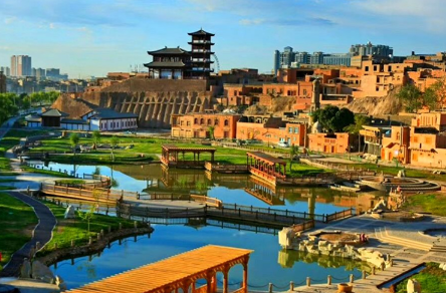
A Different Side of Xinjiang
Northern Xinjiang is famous for lakes, forests, grasslands, and mountain scenery. Kashgar offers a different experience based on city life, history, markets, architecture, food, and culture.
Combining Kashgar with northern destinations can therefore show travelers how diverse Xinjiang is within one region.
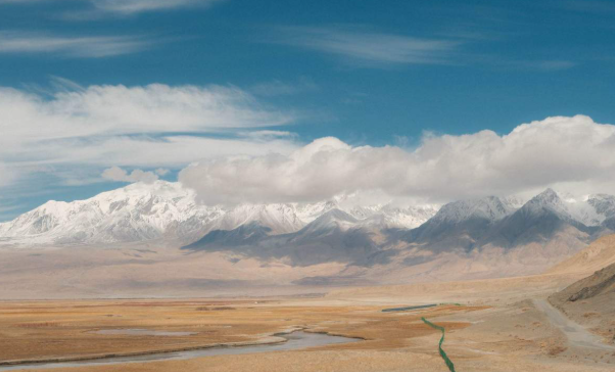
Plan Your Kashgar Journey
A well-planned Kashgar trip can combine the Old City and markets with food experiences and a journey toward the Pamirs. Travelers can choose a shorter city-focused visit or a longer route through southern Xinjiang.
Experience Kashgar in 2026
Kashgar is a destination where history and everyday life can be experienced together. Walking through the Old City, visiting markets, trying local food, and traveling toward the Pamir Mountains can create a varied Xinjiang journey.
With enough time and a carefully planned route, Kashgar can be much more than a short stop. It can become the cultural center of a wider exploration of southern Xinjiang.