The history of the Kazakhs in Xinjiang is closely connected with the wider history of the Central Asian steppe. Their story developed through centuries of migration, cultural exchange, nomadic life, and interaction between Turkic and Mongolic peoples.
Although the modern Kazakh ethnic identity developed much later, the ancestors of today's Kazakhs were connected to communities living across the Eurasian steppe for thousands of years. Archaeological, historical, and genetic research points to a complex mixture of populations from eastern and western Eurasia.
Ancient Steppe Peoples – More Than 2,000 Years Ago
More than 2,000 years ago, the regions around present-day Xinjiang, Kazakhstan, and the Altai Mountains were home to different nomadic and settled communities. Among the ancient groups associated with the broader history of the region were the Saka, Wusun, and Kangju. Later, Turkic-speaking peoples and other steppe groups became increasingly influential.
These communities did not represent the modern Kazakh people directly, but they contributed to the long and complex history of populations living across Central Asia and the eastern steppe.
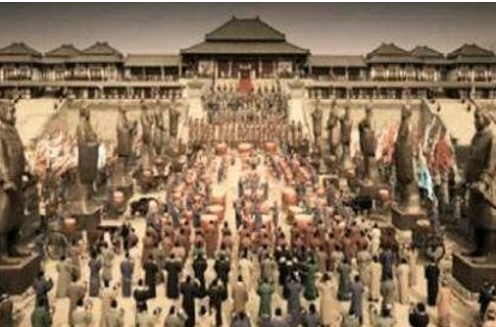
The Turkic Period – Language and Culture Spread Across Central Asia
From the early medieval period, Turkic-speaking peoples became prominent across large parts of Central Asia. Different Turkic states and nomadic confederations controlled or influenced areas around the Altai, Tianshan, and Central Asian steppe.
Trade, migration, intermarriage, and political alliances connected communities across these enormous territories. These centuries helped shape the languages and cultural traditions that would later become important to the Kazakh people.
The Mongol Era – A Major Turning Point
The Mongol conquests of the 13th century brought major political and population changes across Central Asia. Different Turkic and Mongolic groups interacted within the states that emerged after the Mongol Empire.
Over the following centuries, these populations continued to mix and reorganize. The cultural and political environment of the steppe eventually contributed to the emergence of new identities and political communities.
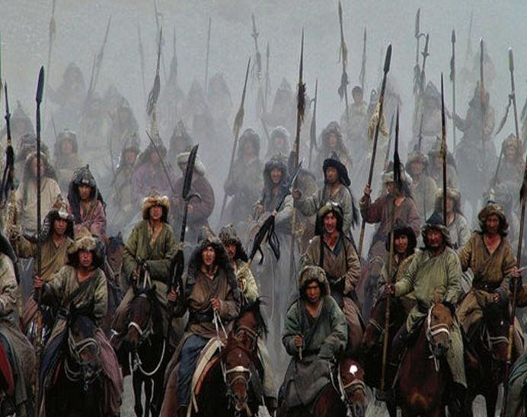
The Kazakh Khanate – The Emergence of a Kazakh Identity
The Kazakh Khanate emerged during the 15th century, marking an important stage in the formation of the Kazakh people as a distinct political and ethnic community.
The Kazakhs developed from several Turkic and Mongolic nomadic groups living across the Central Asian steppe. Their society became organized around three major tribal confederations known as the Great, Middle, and Junior Zhuz. By this period, a recognizable Kazakh identity, language, and culture had developed across the steppe.
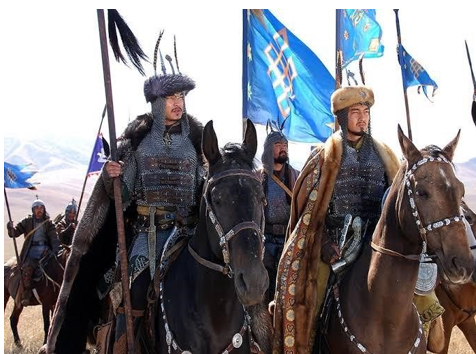
Migration Toward Xinjiang – The 18th Century
The 18th century brought major changes to the Kazakh steppe. Conflicts with the Dzungar Khanate, followed by the expansion of the Qing Empire, affected traditional grazing lands and encouraged movement between Central Asia and northern Xinjiang.
Kazakh groups increasingly moved into areas around the Ili Valley, Tarbagatai, and Altay. Some migration was connected to seasonal pastoral movement, while later migrations were influenced by changing political borders and competition for pasture.
Research on Xinjiang Kazakhs also indicates that the expansion of the Kerey clan into the Altay region in the 18th century played an important role in the history of local Kazakh communities.
The Ili Valley and Altay – New Kazakh Homelands
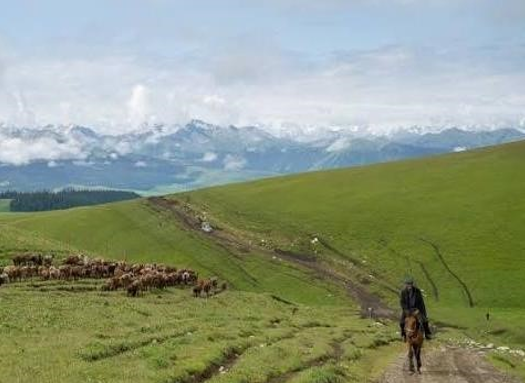
Northern Xinjiang became an important center of Kazakh pastoral life. The Ili Valley, Altay Mountains, and Tarbagatai region offered extensive grasslands and mountain pastures suitable for livestock herding.
Over time, Kazakh communities established long-lasting settlements and seasonal migration routes throughout these areas. Today, Altay and Ili remain particularly important regions for Kazakh culture in Xinjiang.
The 19th Century – New Borders and New Migrations
During the 19th century, the expansion of the Russian Empire changed the political geography of Central Asia. Borders increasingly divided traditional Kazakh grazing areas.
Political changes and border agreements encouraged additional movement of Kazakh families between areas that are now part of Kazakhstan and Xinjiang. In the 1860s and 1880s, significant Kazakh migrations into northern Xinjiang followed changes in the China–Russia frontier.
Kazakh Culture in Xinjiang Today
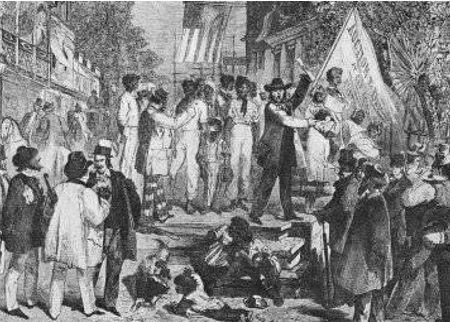
The history of migration helped create the diverse Kazakh communities found across Xinjiang today. Traditional culture remains closely connected with horses, pastoralism, yurts, music, food, family traditions, and the grassland environment.
Kazakh communities in Xinjiang have also developed within a wider multicultural environment, maintaining connections with other communities throughout the region.
A History Written Across the Steppe
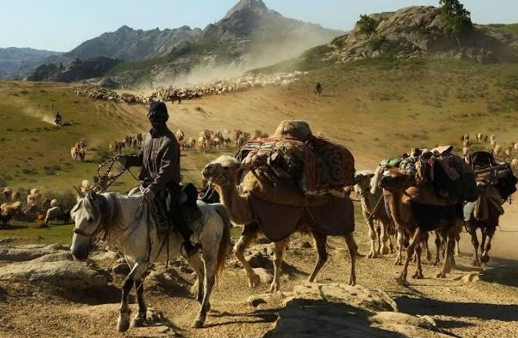
The story of the Kazakhs of Xinjiang cannot be explained by a single migration or a single historical event. It is the result of thousands of years of movement and interaction across one of the world's largest geographical regions.
From ancient steppe cultures and the Turkic period to the Mongol era, the rise of the Kazakh Khanate, and migrations into Ili, Altay, and northern Xinjiang, this history helps explain the rich cultural landscape travelers encounter today. For visitors exploring Xinjiang, learning about the Kazakhs offers a deeper understanding of the region's connection to the wider history of Central Asia and the Eurasian steppe.