The Kazakhs are one of Xinjiang's major ethnic communities, with deep historical connections to the grasslands and mountain regions of Central Asia. Their history is closely connected with nomadic traditions, migration across the Altai and Tianshan regions, and the movement of people along the borders of modern-day China, Kazakhstan, Mongolia, and Russia.
Today, many Kazakhs in Xinjiang live in areas including Ili, Altay, Tacheng, Barkol, and around Urumqi. Their culture is known for pastoral traditions, horse riding, music, distinctive food, traditional clothing, and a strong connection with the natural landscapes of northern Xinjiang.
Origins – A People of the Central Asian Steppe
The history of the Kazakh people developed over centuries through the interaction of different nomadic and settled communities across Central Asia. Historical sources connect Kazakh ancestry and cultural development with groups that lived across the Eurasian steppe, including Turkic and Mongol-era communities.
The name “Kazakh” became established as an ethnic and political identity during the 15th century. Over time, Kazakh communities developed strong connections across the vast grasslands extending from Central Asia toward the Altai and Xinjiang regions.
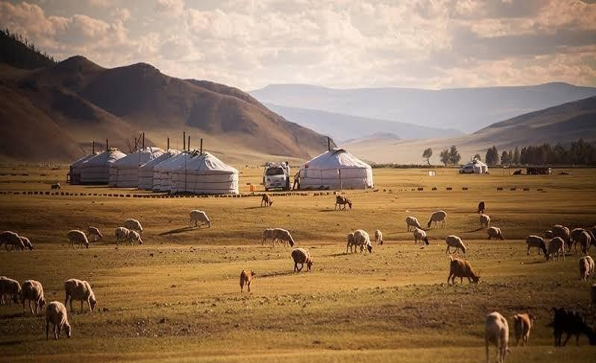
Migration to Xinjiang – Following the Grasslands
Kazakh migration into areas that are now part of Xinjiang occurred in several periods. During the 18th century, Kazakh groups moved into and across areas such as the Ili Valley, Tarbagatai, and Altay, where they followed seasonal pastures and established pastoral communities.
Migration continued during the 19th and early 20th centuries, influenced by changing political borders, competition for pasture, economic conditions, and events in neighboring Central Asia. The border between present-day China and Kazakhstan did not always separate communities whose traditional movements crossed the region.
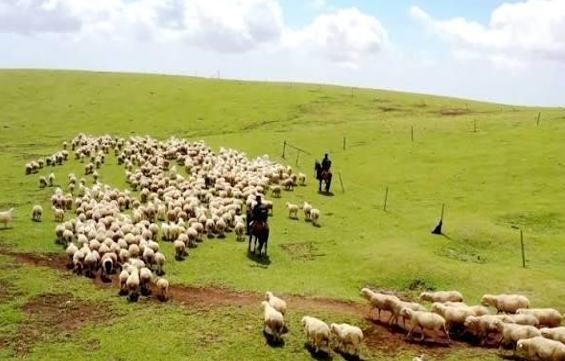
Ili and Altay – Heartlands of Kazakh Culture in Xinjiang
The Ili Valley and Altay region are particularly important centers of Kazakh life in Xinjiang. The mountains, rivers, grasslands, and open pastures supported a traditional pastoral lifestyle for generations.
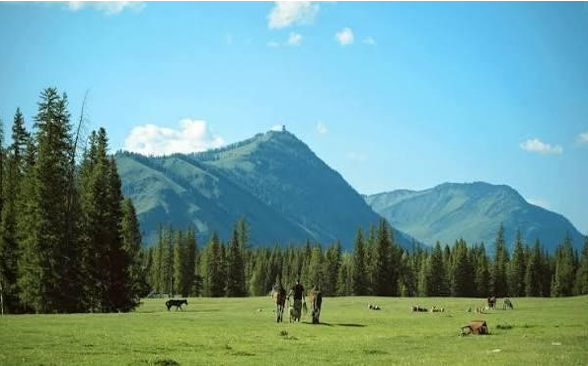
Today, visitors exploring northern Xinjiang can see landscapes associated with Kazakh pastoral culture, including grasslands, mountain valleys, yurts, horses, and seasonal herding traditions.
Nomadic Traditions and the Yurt
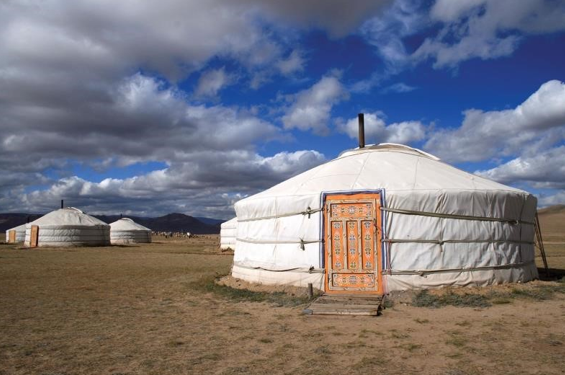
Traditional Kazakh life in Xinjiang has long been connected with animal husbandry and seasonal movement. Families historically moved between pastures according to the seasons, raising horses, sheep, cattle, and other livestock. The yurt, a portable round dwelling, became an important part of this lifestyle because it could be assembled and moved as families followed seasonal pastures. Although many Kazakhs today live in permanent homes, yurts remain an important cultural symbol and can still be seen during traditional gatherings and in pastoral areas.
Language, Music and Traditional Culture
The Kazakh language belongs to the Turkic language family and is an important part of Kazakh cultural identity. Kazakh communities in Xinjiang have also lived alongside other ethnic groups, creating long-standing cultural exchanges in language, food, music, and daily life.
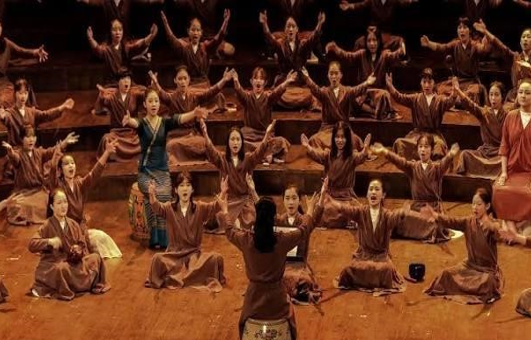
Music and oral traditions are especially important. Aitys, a traditional form of improvised poetic singing and musical performance, is among the cultural traditions associated with Kazakh communities in Xinjiang. Horse-related activities, folk songs, storytelling, and traditional celebrations also remain important parts of cultural life.
Food and Traditional Lifestyle
Kazakh cuisine in Xinjiang reflects the community's pastoral heritage. Meat, dairy products, flour-based foods, and tea are common elements of traditional meals. Visitors may encounter dishes featuring mutton, beef, horse meat, noodles, naan, dairy products, and milk tea. Food is often closely connected with hospitality, family gatherings, celebrations, and seasonal life.

Kazakh Culture Today
The Kazakhs of Xinjiang have preserved many elements of their traditional culture while adapting to modern life. Today, communities combine contemporary education, employment, and urban lifestyles with cultural traditions passed down through generations.
For travelers, northern Xinjiang provides opportunities to experience the landscapes and cultural heritage associated with Kazakh communities, particularly around Ili, Altay, and the Tianshan Mountains.
Experience Kazakh Culture in Xinjiang
Learning about the Kazakhs adds another dimension to traveling through Xinjiang. Their history reflects the movement of people across Central Asia, while their traditions show the close relationship between culture, horses, grasslands, mountains, and pastoral life.
A journey through northern Xinjiang can therefore offer more than beautiful scenery—it can introduce travelers to one of the region's distinctive cultural traditions and its connection to the wider history of the Central Asian steppe.