Choosing between Xi'an and Xinjiang can be difficult because they offer two very different travel experiences. Xi'an is one of China's great historical cities, famous for the Terracotta Warriors, ancient architecture, local food, and Silk Road heritage. Xinjiang, meanwhile, is an enormous region filled with mountains, deserts, alpine lakes, grasslands, historic cities, and diverse cultures.
So when comparing Xi'an vs Xinjiang, which should you visit first? The answer depends on your travel style, available time, and what you want to experience in China.
Choose Xi'an for History and Ancient China
Xi'an is one of the best destinations for travelers interested in Chinese history.
Once known as Chang'an, it served as the capital of several Chinese dynasties and was the eastern starting point of the ancient Silk Road.
Major attractions include the Terracotta Warriors, Ancient City Wall, Big Wild Goose Pagoda, Bell and Drum Towers, and Muslim Quarter.
Because many attractions are concentrated around one city, Xi'an is also relatively easy to explore.

Choose Xinjiang for Nature and Adventure
Xinjiang is better suited to travelers looking for spectacular landscapes and longer road trips.
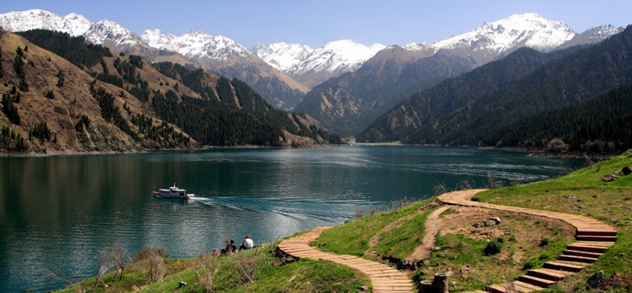
The region contains snow-covered mountains, deserts, forests, turquoise lakes, traditional villages, grasslands, and ancient Silk Road cities.
Northern Xinjiang is famous for places such as Kanas, Hemu, Sayram Lake, and the Ili grasslands. Southern Xinjiang offers Kashgar, Tashkurgan, the Pamir Mountains, and desert landscapes.
Xi'an vs Xinjiang for Silk Road History
Both destinations played important roles in the ancient Silk Road.
Xi'an was the eastern starting point, where merchants began journeys toward Central Asia and beyond.
Xinjiang contained important oasis cities and trading centers along the routes heading west. Places such as Kashgar and Turpan allow travelers to explore another side of Silk Road history.
For the complete experience, visiting Xi'an first and Xinjiang afterward creates a natural east-to-west Silk Road journey.
Which Has Better Food?
Both destinations have excellent food, but the flavors are very different.
Xi'an is famous for roujiamo, biangbiang noodles, liangpi, dumplings, and lamb dishes. The Muslim Quarter is particularly popular for street food.
Xinjiang cuisine features lamb kebabs, polo rice, naan, hand-pulled noodles, roasted lamb, and big plate chicken, along with excellent grapes, melons, and other fruits.
Food lovers should experience both.
Which Is Easier for First-Time Travelers?
For most first-time visitors to China, Xi'an is easier.
The city's major attractions can be explored within two or three days, and high-speed trains connect Xi'an with many major Chinese cities.
Xinjiang requires more planning because distances are much greater. Traveling between major attractions can involve long drives, trains, or domestic flights.
However, travelers willing to spend more time exploring are rewarded with some of China's most spectacular scenery.
How Much Time Do You Need?
For Xi'an, around 2–3 days is enough to experience the main attractions.
For Xinjiang, travelers should ideally allow at least 7–10 days. A more complete northern or southern Xinjiang journey can easily require 10–14 days or longer.
This difference is important when deciding which destination fits your itinerary.
Xi'an or Xinjiang for Photography?
Xinjiang wins for landscape photography.
Kanas Lake, Hemu Village, Sayram Lake, the Pamir Mountains, deserts, and grasslands provide incredible natural scenery.
Xi'an is better for architectural and cultural photography, particularly around the Ancient City Wall, Muslim Quarter, temples, and Tang-inspired districts.

Can You Visit Both?
Absolutely—and combining them can create one of China's most interesting travel routes.
Start in Xi'an to learn about the beginning of the ancient Silk Road before traveling west toward Xinjiang.
A longer itinerary could follow:
Xi'an → Dunhuang → Turpan → Urumqi → Kashgar
Travelers with additional time can continue into northern Xinjiang or toward Tashkurgan and the Pamir Mountains.
Xi'an vs Xinjiang: Quick Comparison
Choose Xi'an if you want:
Ancient Chinese history
Terracotta Warriors
Traditional architecture
Famous local food
A short 2–3 day trip
Easy transportation
Choose Xinjiang if you want:
Mountains and lakes
Desert landscapes
Road trips
Silk Road culture
Photography and nature
A longer adventure
Which Should You Visit First?
For travelers visiting China for the first time, Xi'an is usually the better place to start. It is easier to explore and provides an excellent introduction to Chinese history and the origins of the Silk Road.
Xinjiang is the better choice for travelers who already know they want adventure, dramatic scenery, cultural diversity, and a more extensive journey.
But you don't necessarily have to choose.
Traveling from Xi'an to Xinjiang allows you to follow the story of the Silk Road from its ancient eastern starting point toward China's spectacular western frontier.
Final Thoughts
The Xi'an vs Xinjiang decision ultimately comes down to the type of China experience you want.
Xi'an offers concentrated history, famous landmarks, excellent food, and convenient sightseeing. Xinjiang offers enormous landscapes, longer journeys, Silk Road cities, mountain roads, deserts, lakes, and a greater sense of adventure.
If you have enough time, visit both. Start with the ancient streets of Xi'an and then travel west into Xinjiang—you'll experience two completely different sides of China while following one of history's most legendary travel routes.