Autumn is one of the most attractive seasons to travel through Xinjiang. The region's huge landscapes change quickly as summer gives way to cooler days, golden forests, clear mountain views, and colorful grasslands. From the northern mountains around Kanas and Hemu to the historic streets of Kashgar, autumn offers a different experience in almost every part of Xinjiang.
For travelers planning a 2026 trip, autumn is especially interesting because northern Xinjiang has a short period when birch forests and mountain valleys are covered in yellow and gold. Southern Xinjiang remains warmer and is ideal for exploring Silk Road cities, markets, architecture, and local food.
Here are some of the best places to visit in Xinjiang during autumn and what you can expect from the season.
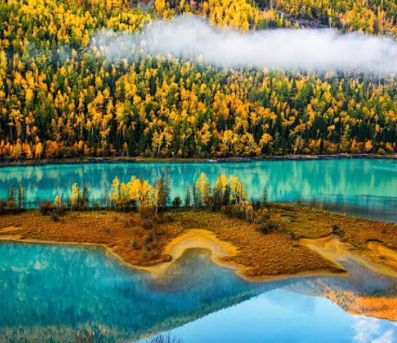
Kanas Lake – Golden Forests and Mountain Scenery
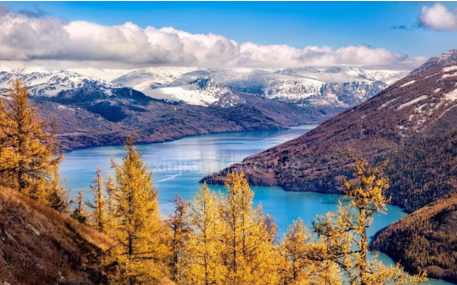
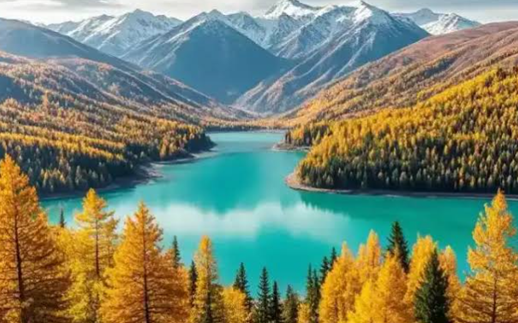
Kanas Lake is one of northern Xinjiang's best-known natural attractions. Surrounded by the Altai Mountains, the lake is framed by forests, rivers, and high mountain scenery. In autumn, the surrounding birch and other trees turn golden, creating a dramatic contrast with the blue-green water and distant peaks.
The autumn color period is relatively short. Current 2026 travel information places the main foliage window around the second half of September and early October, although weather can change the exact timing. Travelers should therefore plan with some flexibility if autumn colors are a major reason for the trip.
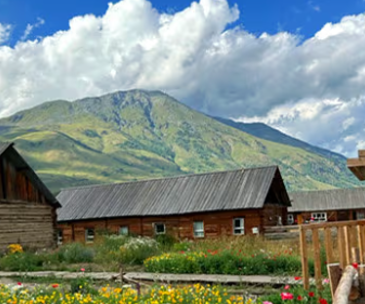
Hemu Village – A Peaceful Autumn Landscape
Hemu Village is located in the Kanas region and is known for wooden houses, mountain scenery, birch forests, and its connection with the local Tuvan community. During autumn, the trees around the village become golden and the valley can look especially beautiful in the early morning.
Visitors can walk through the village, enjoy views from higher viewpoints, explore nearby forests, and experience a slower pace than in larger cities. September is commonly regarded as one of the best periods for seeing the famous golden scenery, although the village is attractive in summer as well.
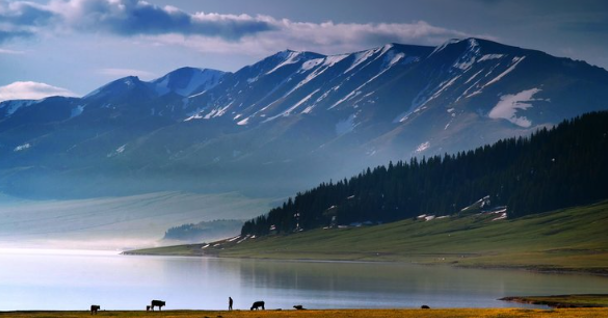
Sayram Lake – Blue Water and Open Grasslands
Sayram Lake is a large alpine lake in western northern Xinjiang. The lake is surrounded by mountains and broad grasslands, making it a popular stop on western Xinjiang routes. In the warmer months the surrounding landscape is green and open, while autumn brings cooler weather and changing colors.
The area is particularly suitable for travelers who enjoy wide landscapes, photography, and road journeys. Depending on the route, Sayram Lake can be combined with other destinations in Ili and northern Xinjiang.
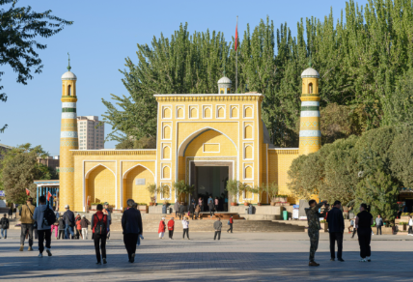
Kashgar – Autumn in the Old Silk Road City
Autumn is also a good time to explore Kashgar. Unlike the forest landscapes of northern Xinjiang, Kashgar offers historic streets, traditional architecture, markets, food, and a strong connection with the history of the Silk Road.
The Old City is one of the main places to explore. Travelers can walk through its narrow streets, see traditional homes and workshops, and stop at local restaurants and bakeries. Id Kah Mosque and the surrounding central area are also important landmarks.
A Sunday visit can allow travelers to experience Kashgar's famous Sunday market, while the city itself can be enjoyed throughout the week. Because autumn weather in southern Xinjiang is generally more comfortable than the hottest summer periods, it can be a pleasant season for walking and sightseeing.
Turpan – Desert, History and Ancient Irrigation
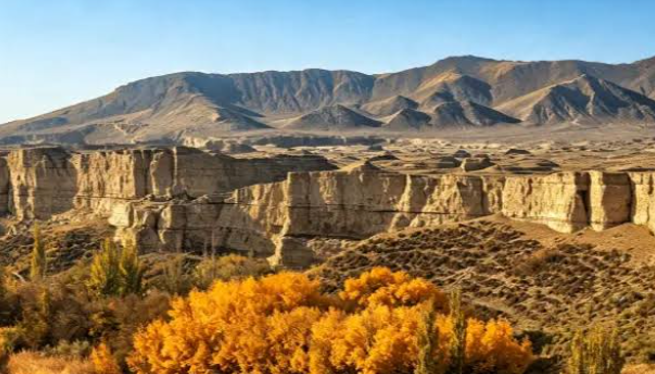
Turpan provides a very different autumn experience. The area is famous for its dry climate, vineyards, desert landscapes, ancient ruins, and traditional karez irrigation systems. Autumn is a useful time to explore the region because temperatures are generally more comfortable than in the hottest summer period.
Visitors can combine cultural sites with local food experiences and views of the surrounding desert and mountains. Turpan is also easy to connect with routes through Urumqi.
Urumqi – A Practical Starting Point
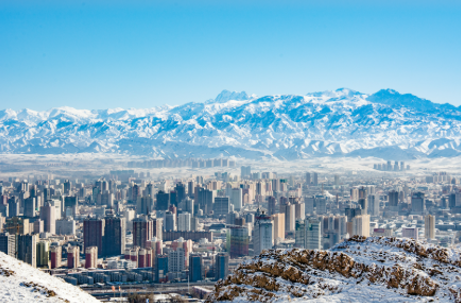
Many Xinjiang journeys begin in Urumqi, the region's largest city and an important transportation hub. It can be used as the starting point for trips toward northern Xinjiang, Turpan, or longer journeys into southern Xinjiang.
Travelers can use time in Urumqi to adjust to the region, arrange transportation, explore local food, and visit museums or city attractions before continuing to more remote destinations.
What Autumn Weather Is Like
Autumn temperatures vary greatly across Xinjiang because the region is enormous and contains deserts, valleys, grasslands, and high mountains. Northern destinations such as Kanas and Hemu can become cold at night, especially toward the end of September and into October. Southern cities such as Kashgar and Turpan can remain much milder during the day.
Layered clothing is therefore more useful than packing for one temperature. A warm jacket, comfortable walking shoes, and protection from sun and wind are useful for most routes.
What to Pack for an Autumn Trip
A good autumn packing list should include layers, a warm outer jacket, comfortable shoes, sun protection, and a small day bag. Travelers heading into the mountains should prepare for colder evenings than they may expect from city weather forecasts.
A camera or phone with enough storage is also useful because autumn scenery changes quickly as the route moves between valleys, lakes, villages, and mountain roads.
How Long Should You Spend in Xinjiang?
The right length depends on the destinations you want to combine. A short trip can focus on one area, such as Kashgar and the Pamirs or Kanas and Hemu. A longer trip can connect northern scenery with southern Silk Road cities.
Because distances are large, travelers should avoid trying to cover too many destinations in too few days. A route with fewer stops often allows more time for walks, photography, local food, and unexpected scenic stops.
Autumn Travel Tips
Book popular northern Xinjiang accommodation early if you are traveling during the main autumn foliage period. Keep some flexibility in the schedule because weather can affect mountain roads and the exact timing of autumn colors.
Check current transportation and scenic-area information before departure. Conditions, ticket arrangements, and access rules can change, especially in border and high-altitude areas.
Why Visit Xinjiang in Autumn?
Autumn brings together many of Xinjiang's different landscapes. Northern forests become golden, mountain lakes remain clear, grasslands change color, and southern cities offer comfortable conditions for exploring history and culture.
For travelers who want scenery, local culture, photography, and a journey that feels very different from the major cities of eastern China, autumn can be an excellent time to discover Xinjiang.
Plan Your Autumn Xinjiang Journey
A well-planned autumn journey can combine the golden landscapes of Kanas and Hemu with the cultural atmosphere of Kashgar, the mountains of the Pamirs, or the desert scenery around Turpan. The best route depends on how many days you have and which experiences matter most to you.
Xinjiang is large, so working with a local travel team can make transportation, accommodation, guides, and route planning easier. A customized itinerary can also help travelers spend more time in the places they are most interested in.
From golden forests and alpine lakes to ancient cities and Silk Road landscapes, Xinjiang in autumn offers a wide variety of experiences within one region.
A journey through Xinjiang during autumn is not only about seeing beautiful scenery. It is also an opportunity to experience the region's diverse cultures, food, landscapes, and long history. With the right route and enough time, autumn can become one of the most memorable seasons for exploring Xinjiang.