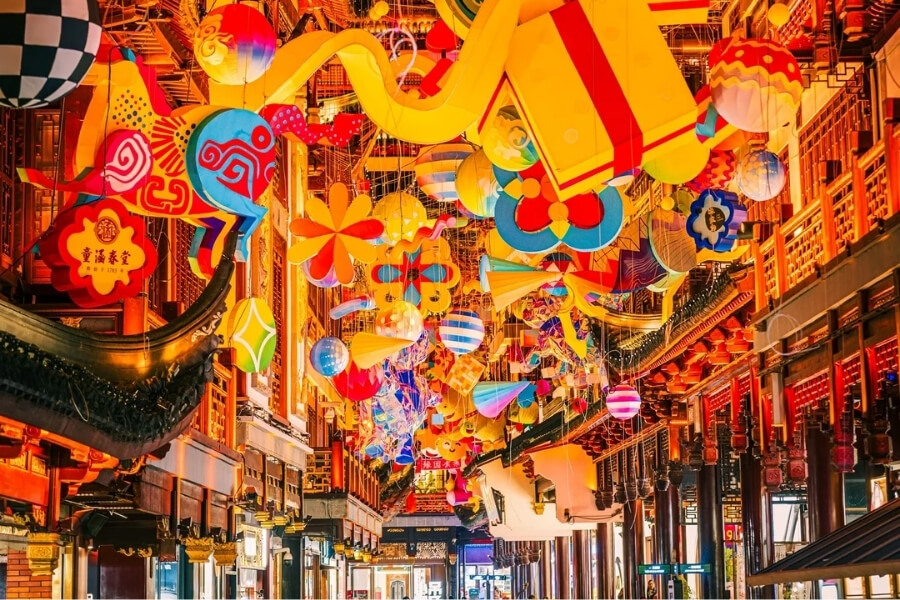
The Chinese Zodiac is one of the most recognizable parts of Chinese culture. Travelers visiting China during the Lunar New Year will see zodiac animals throughout cities, temples, markets, and festival celebrations.
The system follows a repeating 12-year cycle. Each year is represented by an animal sign connected to traditional beliefs about personality, fortune, relationships, and cultural symbolism.
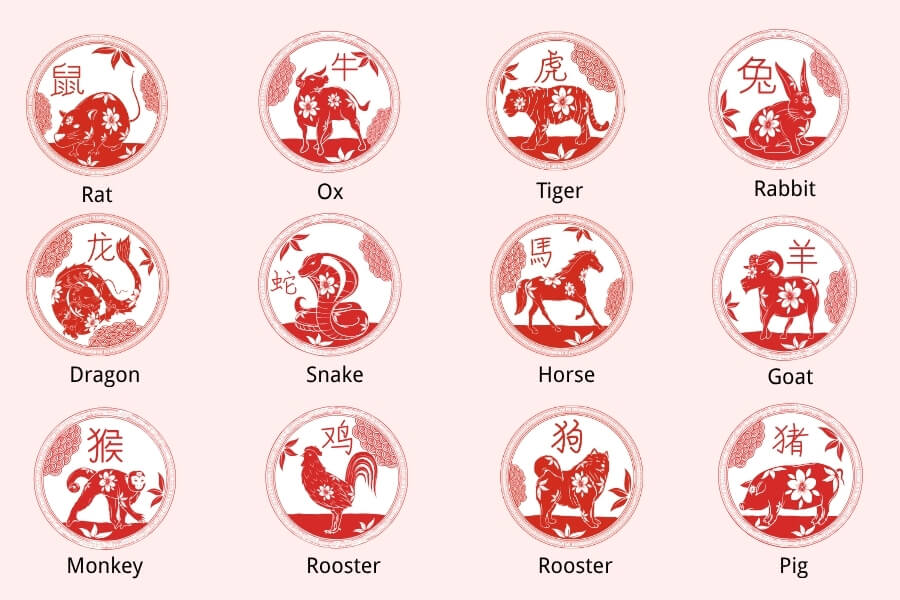
2026 is the Year of the Horse. It begins on February 17, 2026, and ends on February 5, 2027.
What Is the Chinese Zodiac?
The Chinese Zodiac, also called Shengxiao (生肖), is a traditional classification system based on the Chinese lunar calendar.
The 12 zodiac animals in order are:
Chinese Zodiac Order
| Order | Animal |
|---|---|
| 1 | Rat |
| 2 | Ox |
| 3 | Tiger |
| 4 | Rabbit |
| 5 | Dragon |
| 6 | Snake |
| 7 | Horse |
| 8 | Goat |
| 9 | Monkey |
| 10 | Rooster |
| 11 | Dog |
| 12 | Pig |
Each zodiac year repeats every 12 years.
In Chinese culture, zodiac signs are traditionally associated with personality traits, compatibility, fortune, and life outlook. Zodiac references still appear in weddings, holiday customs, family conversations, and seasonal celebrations across China.
Unlike Western astrology, which changes monthly, the Chinese Zodiac changes yearly.
The 12 Chinese Zodiac Animals in Order
| Zodiac Sign | Recent Years |
|---|---|
| Rat | 2020, 2008, 1996 |
| Ox | 2021, 2009, 1997 |
| Tiger | 2022, 2010, 1998 |
| Rabbit | 2023, 2011, 1999 |
| Dragon | 2024, 2012, 2000 |
| Snake | 2025, 2013, 2001 |
| Horse | 2026, 2014, 2002, 1990 |
| Goat | 2027, 2015, 2003, 1991 |
| Monkey | 2028, 2016, 2004 |
| Rooster | 2029, 2017, 2005 |
| Dog | 2030, 2018, 2006 |
| Pig | 2031, 2019, 2007 |
How to Find Your Chinese Zodiac Sign
Your zodiac sign is based on your lunar birth year rather than your Gregorian calendar birth year.
This matters most for people born in January or February because Chinese New Year changes every year, usually falling between January 21 and February 20.
For example:
Someone born in January 1991 may still belong to the Horse sign if Chinese New Year had not yet started
Someone born after Chinese New Year in 1991 would belong to the Goat sign
Most people in China use Chinese New Year as the zodiac boundary date. Some traditional astrologers use the Start of Spring, which usually falls around February 3 or 4.
How the Chinese Zodiac Shapes Everyday Life in China
The Chinese Zodiac remains closely connected to modern Chinese traditions and seasonal customs.
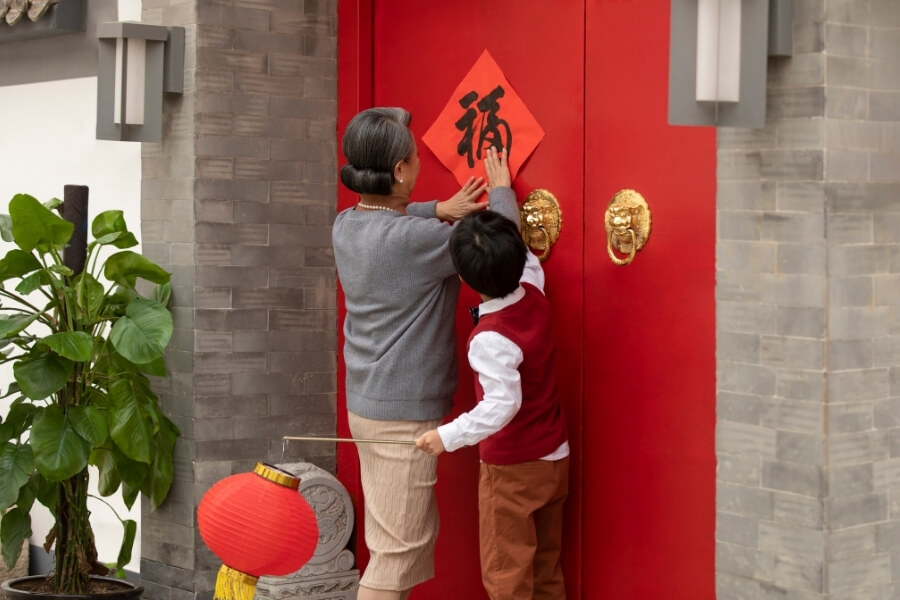
During Chinese New Year, zodiac animals appear on:
Lantern displays
Red paper decorations
Temple fair artwork
Jewelry and gifts
Traditional paintings
Festival merchandise
Many families buy zodiac-themed decorations or gifts before the Spring Festival. Children often wear red accessories connected to their zodiac year, especially during Ben Ming Nian — their own zodiac year cycle.
Some zodiac signs are considered especially favorable. Dragon years are traditionally associated with prosperity and success, which often leads to higher birth rates across China.
Although younger generations usually treat zodiac beliefs more casually today, zodiac references still appear frequently in daily conversations, matchmaking traditions, and holiday culture.
Where to See Chinese Zodiac Culture During Your Trip
Travelers can encounter Chinese Zodiac culture throughout the year, but the experience becomes much more visible during the Spring Festival period, especially from one to two weeks before Chinese New Year through the Lantern Festival.
If your goal is to see zodiac decorations, folk traditions, and seasonal celebrations in one trip, larger cities usually provide the easiest access and the most organized public events.
Beijing — Best for Traditional Temple Fair Experiences
Beijing is one of the easiest destinations for first-time visitors interested in zodiac traditions during Chinese New Year.
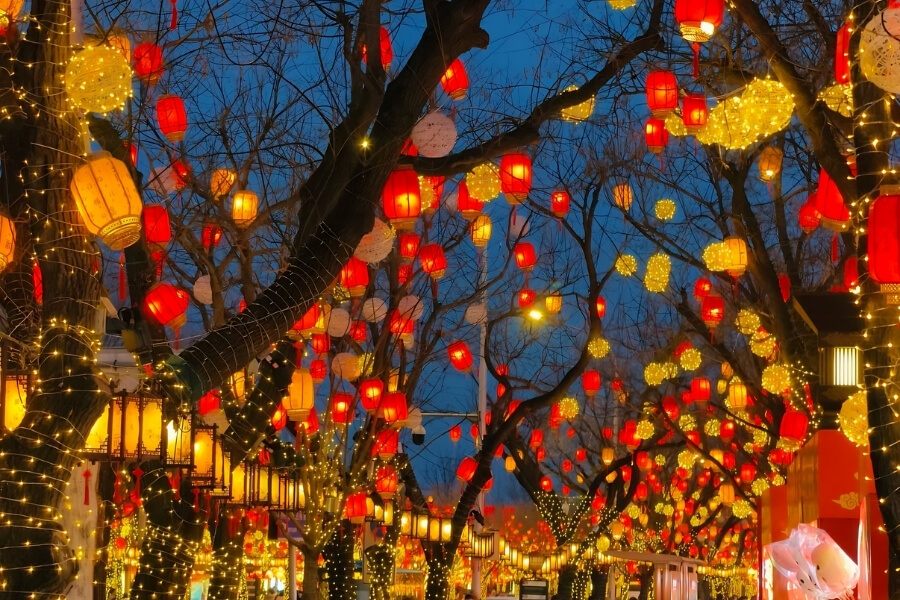
Temple fairs at locations such as Ditan Park and Longtan Park usually include:
Giant zodiac lantern installations
Folk performances
Zodiac-themed handicrafts
Paper-cutting art
Seasonal food markets
Most temple fairs become crowded after 10 a.m., especially during national holiday dates. Early morning visits are usually more comfortable for photography and cultural performances.
This is a better option for travelers who:
Are visiting China for the first time
Want concentrated festival experiences
Prefer convenient subway access
Have limited travel time
English signage is limited at some local fairs, but major Beijing festival sites are generally easier to navigate than smaller regional events.
Xi'an — Best for Historical and Cultural Context
Xi'an is better suited for travelers who want to understand the historical background behind zodiac culture rather than only seeing festival decorations.
Zodiac imagery appears in:
Temple carvings
Museum collections
Traditional lantern displays
Tang Dynasty cultural areas
Historical markets
Compared with Beijing, Xi'an usually feels less hectic during the Spring Festival season. Travelers who prefer slower-paced cultural visits may find the experience more manageable here.
Winter temperatures can be cold, especially in January and February, so layered clothing is important for outdoor sightseeing.
Shanghai — Best for Modern City Celebrations
Shanghai combines traditional zodiac symbolism with large-scale urban light displays and commercial New Year events.
Travelers will commonly see zodiac installations in:
Shopping districts
Waterfront areas
Luxury malls
Public plazas
Nighttime light shows
This option works well for travelers who:
Prefer modern city comfort
Want efficient transportation
Enjoy night photography
Have shorter itineraries
The atmosphere is more commercial than traditional temple fairs in northern China, but accessibility is usually easier for international visitors.
Chengdu — Best for a More Relaxed Festival Atmosphere
Chengdu offers a calmer and more local-style introduction to Spring Festival traditions.
Rather than large-scale tourist events, zodiac decorations often appear in:
Tea house districts
Community parks
Old streets
Local food neighborhoods
This city is a better choice for travelers who prefer:
Slower travel pace
Food-focused trips
Local neighborhood experiences
Less crowded environments
Crowds still increase during Chinese New Year, but the pace generally feels less intense than Beijing or Shanghai.
Silk Road Regions — Best for Travelers Interested in Cultural Depth
Northwestern China offers a different perspective on zodiac culture through Buddhist cave art, murals, folk traditions, and Silk Road history.
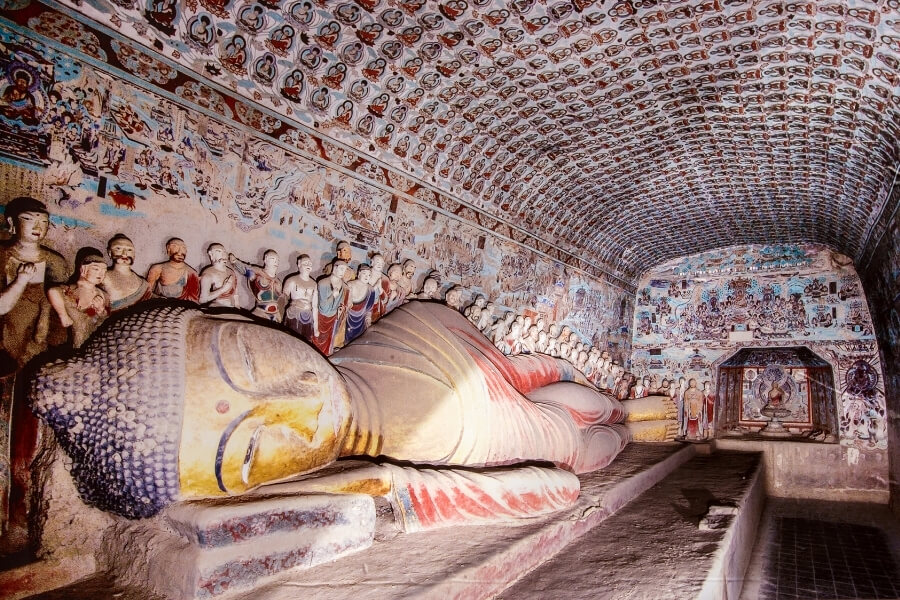
Travelers may encounter zodiac imagery in places connected to:
Dunhuang cave art
Ancient murals
Traditional markets
Regional crafts
Historical Buddhist sites
This route is usually better suited for travelers who:
Have more flexible schedules
Want deeper cultural exploration
Prefer history-focused trips
Are comfortable with longer travel distances
Transportation across northwestern China can be time-consuming. Private transfers or customized itineraries often make travel more efficient, especially for travelers visiting multiple Silk Road destinations in one trip.
When Is the Best Time to Experience Zodiac Culture?
The strongest zodiac atmosphere usually appears during:
| Period | What Travelers Can Expect |
|---|---|
| 1–2 weeks before Chinese New Year | Decorations, lantern installations, market preparation |
| Chinese New Year week | Temple fairs, performances, family celebrations, large crowds |
| Lantern Festival | Night lantern displays and zodiac-themed light shows |
Travelers who want cultural atmosphere without peak congestion may prefer arriving shortly before Chinese New Year rather than during the busiest public holiday dates.
Transportation and hotel demand increase significantly during the Spring Festival travel season, especially on major rail routes and domestic flights.
Is Chinese New Year a Good Time to Visit China?
Chinese New Year can be one of the most rewarding periods for travelers interested in traditional culture, but it also comes with logistical challenges.
Advantages include:
Strong festival atmosphere
Lantern displays
Seasonal performances
Zodiac decorations
Local holiday traditions
Challenges include:
Heavy crowds
Higher hotel demand
Busy transportation hubs
Temporary business closures in some areas
For first-time visitors, major cities with strong public transportation systems are usually easier to manage during the holiday period.
Travel Tips for First-Time Visitors
Temple fairs often become crowded quickly after late morning
Subway systems are usually the fastest transportation option during festival periods
Smaller cities may feel less crowded but often have fewer English-language services
Winter weather conditions vary significantly between northern and southern China
Advance hotel and train bookings are strongly recommended during the Spring Festival season
Travelers mainly interested in zodiac culture do not necessarily need to plan an entire trip around Chinese New Year. Visiting one major festival city during the pre-holiday period is often enough to experience the atmosphere without dealing with the busiest national travel days.
What Each Chinese Zodiac Animal Represents
| Zodiac | Common Cultural Associations |
|---|---|
| Rat | Intelligence, adaptability, resourcefulness |
| Ox | Reliability, patience, discipline |
| Tiger | Courage, confidence, leadership |
| Rabbit | Gentleness, elegance, thoughtfulness |
| Dragon | Ambition, strength, prosperity |
| Snake | Wisdom, calmness, observation |
| Horse | Freedom, energy, independence |
| Goat | Peacefulness, creativity, kindness |
| Monkey | Cleverness, curiosity, sociability |
| Rooster | Organization, awareness, confidence |
| Dog | Loyalty, honesty, protection |
| Pig | Generosity, sincerity, optimism |
These descriptions are part of traditional folk culture rather than scientific personality analysis.
Chinese Zodiac Compatibility and Relationship Traditions
Compatibility is one of the most widely discussed parts of Chinese zodiac culture.
Traditional beliefs divide zodiac relationships into harmonious and conflicting combinations.
Common Compatible Pairs
| Pair | Traditional Meaning |
|---|---|
| Rat and Ox | Stability and support |
| Tiger and Pig | Mutual trust |
| Rabbit and Dog | Emotional harmony |
| Dragon and Rooster | Complementary strengths |
| Snake and Monkey | Intelligence and balance |
| Horse and Goat | Shared creativity |
Common Conflict Pairs
| Pair | Traditional Conflict |
|---|---|
| Rat and Horse | Personality clashes |
| Ox and Goat | Different values |
| Tiger and Monkey | Competition |
| Rabbit and Rooster | Communication tension |
| Dragon and Dog | Opposing approaches |
| Snake and Pig | Lifestyle differences |
Today, many people view zodiac compatibility as a cultural tradition rather than a strict relationship rule.
The Legend Behind the Chinese Zodiac Animals
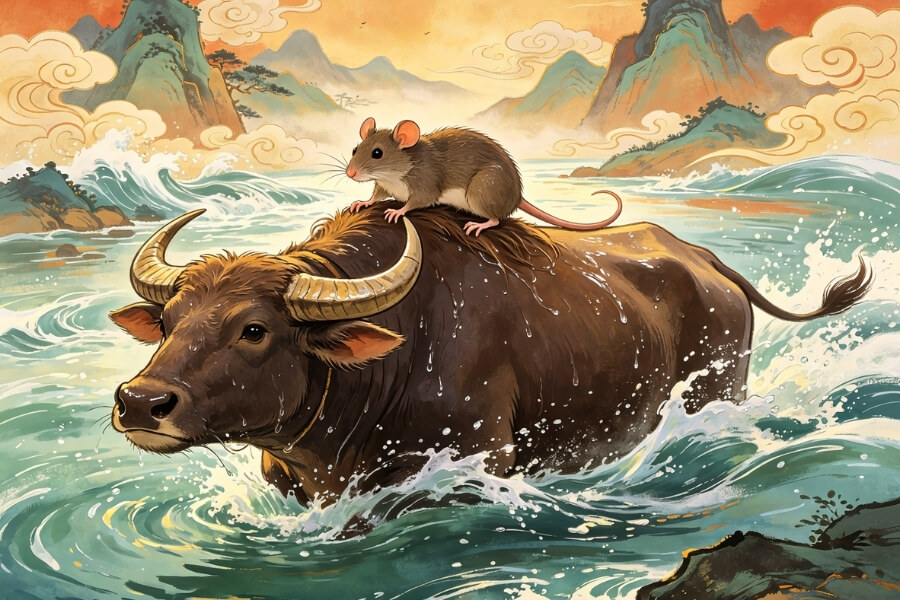
According to Chinese legend, the Jade Emperor organized a race to select 12 animals for the zodiac calendar.
The Rat won first place by riding on the Ox's back and jumping ahead at the final moment. The Ox arrived second, followed by the Tiger and Rabbit.
The Dragon reached fifth place after stopping to help villagers by bringing rain. The Snake secretly followed behind the Horse and surprised it near the finish line, taking sixth place.
The Pig arrived last because it stopped to eat and sleep during the race.
Why Is There No Cat in the Chinese Zodiac?
A popular legend says the Rat failed to wake the Cat before the race, causing the Cat to miss the competition entirely.
This story is still commonly told during Chinese New Year celebrations and children's cultural activities across China.
Although the race story is widely known today, historians believe the zodiac system actually developed gradually during the Han Dynasty as part of a larger calendar structure connected to the Heavenly Stems and Earthly Branches.
How Other Asian Countries Adapted the Chinese Zodiac
The Chinese Zodiac influenced many other Asian cultures, although some countries adapted certain animals to fit local traditions.
| Country | Major Difference |
|---|---|
| Vietnam | Cat replaces Rabbit |
| Japan | Boar replaces Pig |
| Thailand | Nāga sometimes replaces Dragon |
| Cambodia | Nāga associated with Dragon |
| Malaysia | Mousedeer may replace Rabbit |
| Korea | Zodiac remains mostly identical |
These regional variations reflect differences in folklore, language, and local cultural symbolism.
Chinese Zodiac vs Western Zodiac Signs
| Comparison Point | Chinese Zodiac | Western Zodiac |
|---|---|---|
| Main cycle | 12-year cycle | 12-sign annual cycle |
| How your sign is decided | Mainly by lunar birth year | Mainly by birth date |
| Calendar basis | Chinese lunisolar calendar | Solar calendar and zodiac sign dates |
| Common symbols | 12 animals | 12 zodiac signs linked to constellations |
| Cultural background | Chinese calendar, folk beliefs, and traditional timekeeping | Greco-Roman astrology and astronomical traditions |
| Common use | Year identity, folk personality traits, compatibility, festival customs | Personality traits, horoscopes, and birth-chart astrology |
FAQ
Q1: Why is the Dragon considered lucky in China?
The Dragon traditionally represents authority, prosperity, and success in Chinese culture. Many families consider Dragon years especially favorable for childbirth, which is why birth rates often increase noticeably during Dragon years across China.
Q2: Why is there no Cat in the Chinese Zodiac?
According to a popular legend, the Rat failed to wake the Cat before the Jade Emperor's race, causing the Cat to miss the zodiac selection. The story remains one of the most widely shared Chinese Zodiac folktales today.
Q3: Is zodiac compatibility still important in China?
Some families still discuss zodiac compatibility during marriage planning, especially among older generations. However, many younger people now treat it more as a cultural tradition or conversation topic rather than a strict relationship rule.
Q4: When is the best time to experience zodiac culture in China?
The strongest zodiac atmosphere usually appears during the weeks surrounding Chinese New Year and the Lantern Festival. Temple fairs, lantern displays, seasonal markets, and zodiac decorations are most visible during this period.
Q5: Can travelers experience zodiac traditions outside major cities?
Yes. Smaller cities and regional cultural areas often provide a more local-style festival atmosphere with fewer crowds. However, English-language services and transportation convenience may be more limited compared with larger cities.
Experience Chinese Zodiac Traditions With Hiorient Travel
Many Spring Festival events become crowded and difficult to navigate independently, especially for first-time visitors unfamiliar with local transportation changes, holiday schedules, and regional festival timing.
A well-planned itinerary can make it easier to experience zodiac traditions without spending most of the trip dealing with logistics, ticket availability, or long-distance transportation coordination.
At Hiorient Travel, we design customized cultural journeys that combine major festival experiences with regional history, local traditions, and more manageable travel pacing. Whether you want to explore Beijing temple fairs, Silk Road cultural sites, or seasonal celebrations across northwestern China, our itineraries focus on helping travelers experience Chinese culture more efficiently and comfortably.