The Dog is the 11th animal in the Chinese zodiac cycle and is associated with loyalty, protection, honesty, and responsibility. In Chinese culture, dogs have traditionally been viewed as dependable guardians that protect homes, families, and farmland.
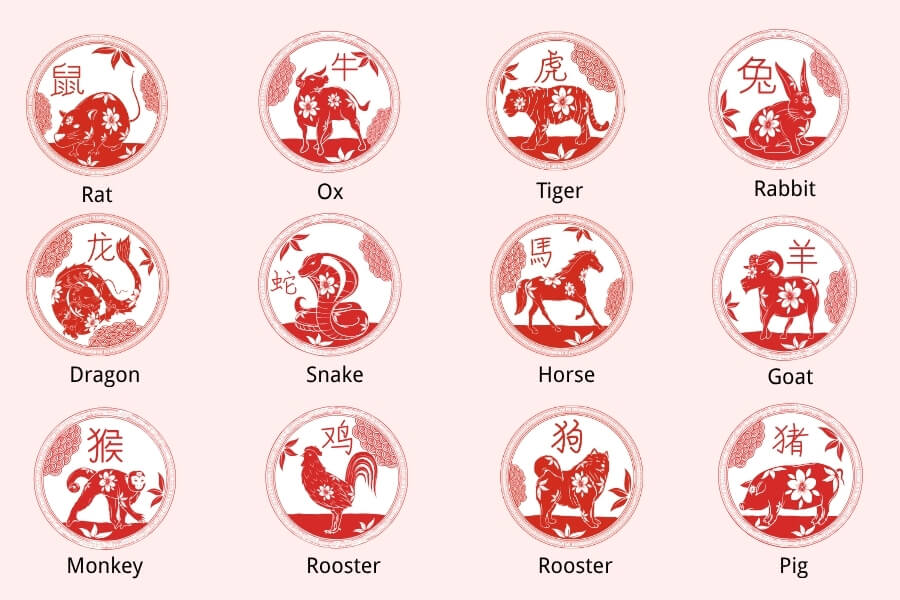
Recent Years of the Dog include 2018, 2006, 1994, 1982, 1970, and 1958. The next Year of the Dog will begin in 2030.
For travelers visiting China during Lunar New Year, zodiac culture is not limited to fortune readings. Zodiac animals appear throughout daily life during the holiday season — from lantern displays and temple fairs to local handicrafts, red decorations, and community celebrations.
What Does the Dog Mean in Chinese Culture?
In traditional Chinese society, dogs were closely connected with household safety and rural life. Families often relied on dogs to guard homes and livestock, which helped shape the Dog's cultural image as a symbol of protection and loyalty.
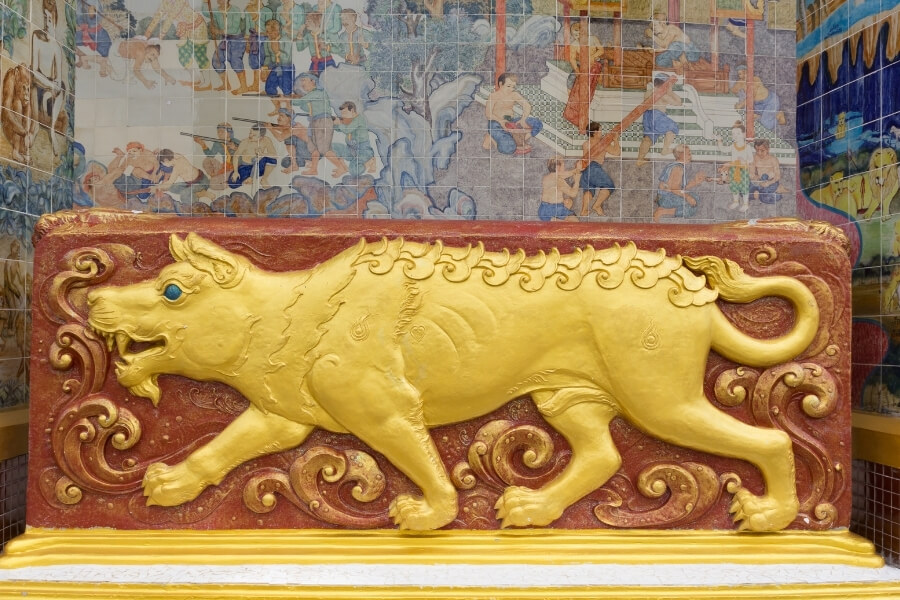
The Dog is also associated with justice and responsibility. In many traditional stories, people born in the Year of the Dog are believed to value honesty, reliability, and long-term trust over personal status or recognition.
Travelers exploring China during Spring Festival may notice zodiac decorations featuring dogs in local markets, residential neighborhoods, and folk events. These symbols are commonly used to express wishes for stability, safety, and family harmony in the coming year.
In Chinese mythology, Erlang Shen — a protective deity in Chinese folk religion — is often accompanied by a celestial dog. This image reinforced the long-standing connection between dogs and protection in Chinese culture.
Which Years Are the Year of the Dog?
The Chinese zodiac follows the lunar calendar rather than the Gregorian calendar. People born in January or February should always check the Chinese New Year date for their birth year.
This is especially important for travelers interested in Chinese zodiac traditions, since many Lunar New Year customs follow the traditional calendar instead of January 1.
| Dog Year | Lunar Calendar Dates | Element |
|---|---|---|
| 1946 | Feb. 2, 1946 – Jan. 21, 1947 | Fire Dog |
| 1958 | Feb. 18, 1958 – Feb. 7, 1959 | Earth Dog |
| 1970 | Feb. 6, 1970 – Jan. 26, 1971 | Metal Dog |
| 1982 | Jan. 25, 1982 – Feb. 12, 1983 | Water Dog |
| 1994 | Feb. 10, 1994 – Jan. 30, 1995 | Wood Dog |
| 2006 | Jan. 29, 2006 – Feb. 17, 2007 | Fire Dog |
| 2018 | Feb. 16, 2018 – Feb. 4, 2019 | Earth Dog |
| 2030 | Feb. 3, 2030 – Jan. 22, 2031 | Metal Dog |
During Dog years, many cities in China increase zodiac-themed decorations in shopping streets, parks, and festival spaces. Larger cities like Beijing and Shanghai usually feature more commercial displays, while smaller regional areas often preserve more traditional folk-style celebrations.
How Zodiac Culture Appears During Chinese New Year
Many international travelers first encounter Chinese zodiac traditions during Spring Festival celebrations. Zodiac animals are not treated only as astrology symbols — they are also part of seasonal decoration, family traditions, and public celebrations.
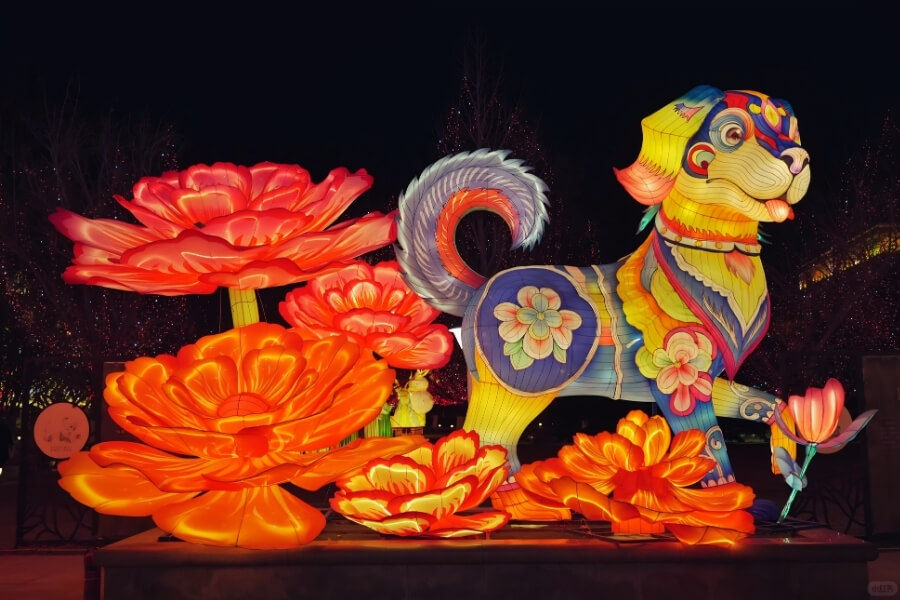
Common places where travelers may see Dog zodiac imagery include:
Temple fairs in Beijing
Lantern festivals in Shanghai
Folk markets in Xi'an
Traditional neighborhood decorations
Local handicraft shops
Red paper-cut displays during Lunar New Year
Different regions present zodiac culture differently.
Northern Chinese cities often emphasize temple fairs, lantern displays, and public performances. In western regions along the Silk Road, zodiac decorations are sometimes combined with local ethnic traditions and regional market culture.
Travelers who prefer a less crowded cultural experience may find smaller cities and regional towns more suitable than major tourist centers during Spring Festival.
What Are People Born in the Year of the Dog Like?
In Chinese culture, people born in the Year of the Dog are often viewed as dependable, cautious, and protective of those close to them.
Rather than seeking attention in large groups, many Dogs are traditionally believed to value stable relationships and long-term trust. This personality image partly reflects the traditional role of dogs in Chinese family life — reliable, observant, and protective.
Common Characteristics Associated With Dogs
Dogs are traditionally described as:
Loyal and responsible
Protective toward family and friends
Careful when building trust
Honest in relationships
Practical and dependable
At the same time, traditional zodiac interpretations also describe Dogs as emotionally sensitive and sometimes overly cautious in unfamiliar situations.
These personality ideas remain popular discussion topics during Chinese New Year gatherings and family conversations, especially among older generations.
Different Types of Dogs in Chinese Astrology
In Chinese astrology, each zodiac cycle is also connected to one of the Five Elements — Wood, Fire, Earth, Metal, or Water. This creates different variations of the Dog zodiac sign.
| Element | Example Birth Years | Traditional Associations |
|---|---|---|
| Wood Dog | 1934, 1994 | Patient, reliable, considerate |
| Fire Dog | 1946, 2006 | Energetic, hardworking, confident |
| Earth Dog | 1958, 2018 | Responsible, practical, communicative |
| Metal Dog | 1970, 2030 | Disciplined, cautious, loyal |
| Water Dog | 1982 | Flexible, intuitive, adaptable |
These element-based interpretations are commonly referenced in traditional calendars, zodiac souvenirs, and Lunar New Year publications throughout China.
Traditional Lucky Symbols for Dogs
Chinese zodiac culture often connects each zodiac animal with symbolic colors, numbers, flowers, and directions. These traditions still influence holiday decorations, gift choices, and festival customs in some parts of China today.
Lucky Symbols Traditionally Associated With Dogs
| Category | Traditional Associations |
|---|---|
| Lucky numbers | 3, 4, 9 |
| Lucky colors | Red, green, purple |
| Lucky flowers | Rose, cymbidium orchid |
| Lucky directions | East, south, northeast |
Symbols Traditionally Avoided
| Category | Traditional Associations |
|---|---|
| Unlucky numbers | 1, 6, 7 |
| Unlucky colors | Blue, white, gold |
| Unlucky direction | Southeast |
Travelers shopping during Spring Festival may notice many of these colors and symbols appearing in zodiac-themed souvenirs and decorations.
Who Is Most Compatible With the Dog Zodiac Sign?
Chinese zodiac compatibility is traditionally used as a way to discuss personality balance and long-term relationships.
According to traditional interpretations, Dogs are usually considered most compatible with:
Tiger
Rabbit
Horse
These zodiac signs are believed to share similar values related to loyalty, communication, and emotional stability.
Less compatible matches traditionally include:
Dragon
Rooster
These interpretations remain part of everyday cultural conversation in China, especially during family gatherings and New Year celebrations.
Dog Horoscope for 2026
According to traditional zodiac interpretations, 2026 may bring relatively stable progress for people born in the Year of the Dog.
Career
Career development and teamwork may improve during the year. Dogs who remain organized and adaptable could see more stable professional progress and stronger collaboration opportunities.
Relationships
Relationship fortunes are generally considered stable in 2026. Spending more time on communication and shared experiences may help maintain long-term relationships.
Health
Busy schedules and travel may create stress or fatigue during the year. Maintaining regular sleep, exercise, and balanced eating habits will remain important.
For many modern travelers, zodiac forecasts are less about predicting the future and more about participating in seasonal traditions and cultural conversations during Lunar New Year.
Why Is the Dog the 11th Chinese Zodiac Animal?
According to Chinese legend, the Jade Emperor organized a race to determine the order of the zodiac animals.
The Dog was expected to finish early because it was fast and energetic. However, it became distracted while playing in the river during the race and eventually arrived in 11th place.
Another traditional explanation is connected to ancient Chinese timekeeping. The Dog represents the evening period between 7 p.m. and 9 p.m., when dogs traditionally guarded homes at night.
These zodiac stories are still commonly shared during Chinese New Year celebrations, especially in schools, family gatherings, and folk culture events.
Where to Experience Chinese Zodiac Culture in China
Travelers interested in Chinese zodiac traditions can experience them across many parts of China, especially during the Lunar New Year season.
Beijing
Beijing is known for large temple fairs and traditional Spring Festival events. Travelers who enjoy busy public celebrations, folk performances, and classic northern Chinese New Year culture may prefer Beijing.
Xi'an
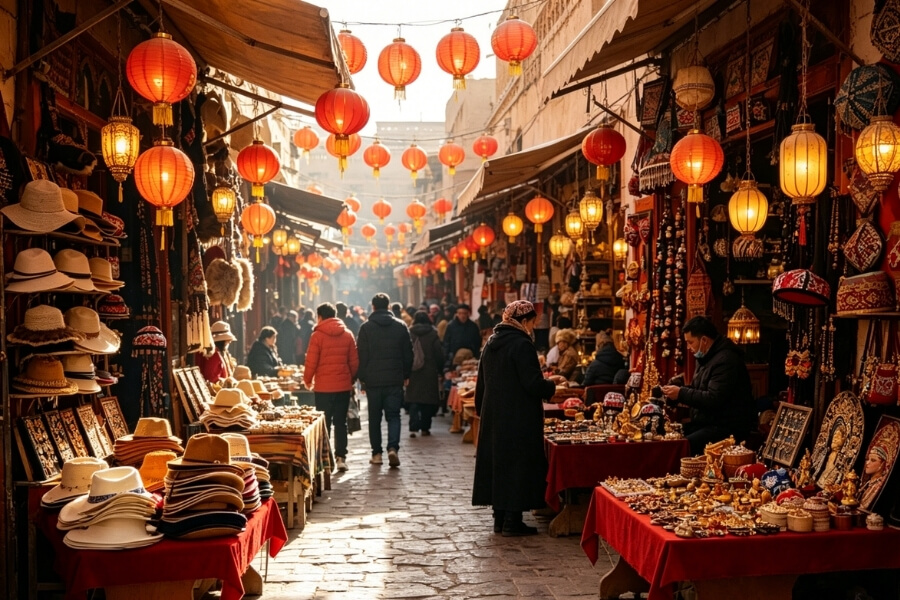
Xi'an offers a more traditional atmosphere with folk markets, historical streets, and local handicrafts connected to zodiac culture. This is often a better choice for travelers interested in history and regional traditions.
Shanghai
Shanghai combines modern city celebrations with lantern displays and commercial zodiac installations. It is usually easier for first-time travelers due to transportation convenience and international accessibility.
Xinjiang and the Silk Road Region
In Xinjiang and along parts of the Silk Road, zodiac traditions are often blended with regional ethnic customs and local market culture. Travelers may prefer these areas if they want a less commercial and more regionally distinctive holiday experience.
Spring Festival travel periods can become crowded across China, especially in major cities. Travelers looking for a slower pace and more flexible schedules may prefer customized regional routes instead of large public festival areas.
Hiorient Travel helps travelers explore Chinese zodiac culture through customized journeys across Xinjiang and Silk Road destinations. These routes focus more on local traditions, regional markets, seasonal festivals, and cultural experiences rather than fast-paced sightseeing schedules.
FAQ
Q1: What years are the Year of the Dog?
Recent Dog years include 1946, 1958, 1970, 1982, 1994, 2006, and 2018. The next Year of the Dog begins in 2030. Because the Chinese zodiac follows the lunar calendar, travelers born in January or February should check the exact Chinese New Year dates carefully.
Q2: What does the Dog symbolize in Chinese culture?
In Chinese culture, the Dog represents loyalty, protection, honesty, and responsibility. Traditionally, dogs were valued as dependable guardians of homes and farmland, which helped shape their image as trusted and protective companions in Chinese zodiac traditions.
Q3: Where can travelers experience Chinese zodiac culture in China?
Travelers can experience zodiac traditions during Spring Festival in places like Beijing, Xi'an, Shanghai, and Silk Road destinations. Temple fairs, lantern festivals, folk markets, and seasonal decorations are some of the most common ways zodiac culture appears across China.
Q4: What personality traits are associated with the Year of the Dog?
People born in the Year of the Dog are traditionally viewed as loyal, cautious, dependable, and protective of family relationships. In Chinese culture, Dogs are often associated with long-term trust, responsibility, and a practical approach to daily life and relationships.
Q5: Is 2026 considered a good year for Dogs?
According to traditional Chinese zodiac interpretations, 2026 may bring relatively stable progress for Dogs in work and relationships. However, maintaining balance between career demands, health, and personal life will remain important throughout the year.