The Dragon is the most respected animal in the Chinese zodiac. Unlike Western dragons, which are often connected to destruction or danger, the Chinese Dragon represents authority, prosperity, protection, and renewal.
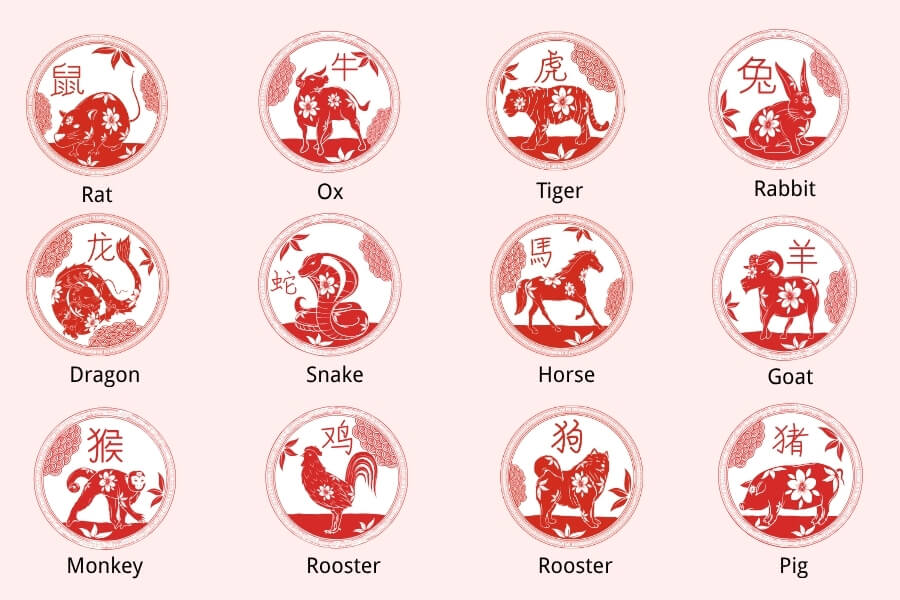
In Chinese culture, dragons are associated with rainfall, rivers, harvests, and imperial power. Dragon imagery appears across palaces, temples, festivals, and traditional architecture throughout China.
For travelers, understanding the Dragon helps explain many parts of Chinese culture that first-time visitors often notice during festivals and historical sightseeing routes.
Dragon Years and Birth Dates
Recent and upcoming Dragon years include:
| Dragon Year | Lunar Start Date | Lunar End Date | Element |
|---|---|---|---|
| 1940 | Feb. 8, 1940 | Jan. 26, 1941 | Metal |
| 1952 | Jan. 27, 1952 | Feb. 13, 1953 | Water |
| 1964 | Feb. 13, 1964 | Feb. 1, 1965 | Wood |
| 1976 | Jan. 31, 1976 | Feb. 17, 1977 | Fire |
| 1988 | Feb. 17, 1988 | Feb. 5, 1989 | Earth |
| 2000 | Feb. 5, 2000 | Jan. 23, 2001 | Metal |
| 2012 | Jan. 23, 2012 | Feb. 9, 2013 | Water |
| 2024 | Feb. 10, 2024 | Jan. 28, 2025 | Wood |
| 2036 | Jan. 28, 2036 | Feb. 14, 2037 | Fire |
Chinese zodiac years follow the lunar calendar rather than Jan. 1. Travelers born in January or early February may belong to the previous zodiac year depending on the Spring Festival date.
Why the Dragon Matters So Much in China
The Dragon occupies a unique position in Chinese history because it combines strength with protection. Historically, dragons were believed to control rain and water, making them closely connected to agriculture and survival.
Dragon symbols appear throughout China in places connected to political authority, religion, and seasonal celebrations.
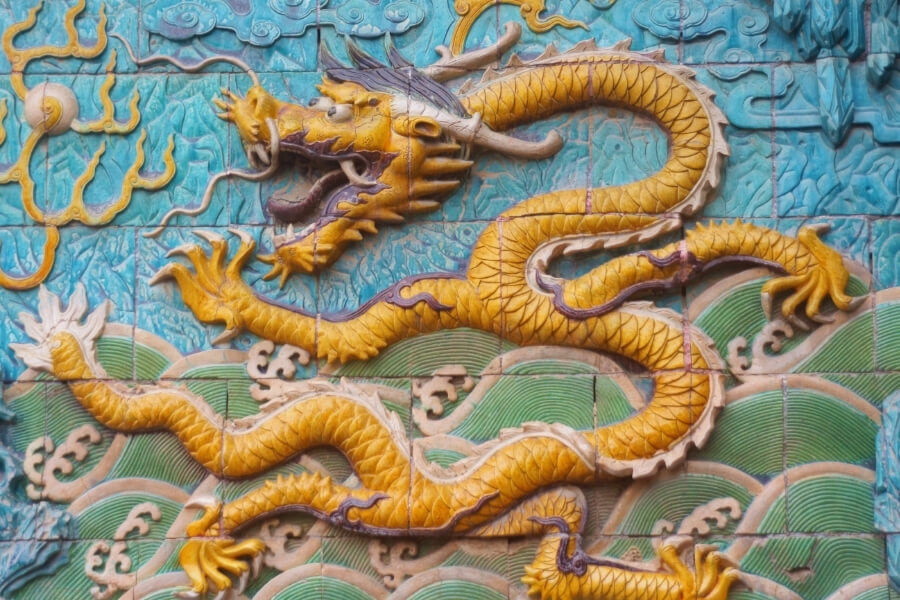
Travelers commonly encounter dragon imagery in:
Imperial palaces
Temple entrances
Roof decorations
Stone carvings
Traditional bridges
Lunar New Year celebrations
In Forbidden City, dragons were historically linked to imperial authority. Many halls, staircases, and ceremonial structures include dragon carvings once reserved exclusively for the emperor.
For travelers interested in architecture and symbolism, Beijing provides the clearest introduction to how dragons were connected to political power in imperial China.
Why Dragon Years Are Popular for Having Children
Dragon years are widely considered lucky across Chinese communities.
Many families associate the Dragon with leadership, intelligence, confidence, and future success. Because of this belief, birth rates often rise during Dragon years in mainland China, Hong Kong, Singapore, and other overseas Chinese communities.
Travelers visiting China during a Dragon year may notice:
Increased zodiac-themed decorations
Dragon festival merchandise
More family-oriented celebrations
Stronger media focus on zodiac traditions
This cultural preference remains highly visible during Lunar New Year periods.
What Dragon People Are Usually Like
People born in Dragon years are commonly associated with ambition, confidence, and strong personal presence.
Common Strengths
Courageous under pressure
Motivated by long-term goals
Comfortable in leadership roles
Independent in decision-making
Energetic and competitive
Dragons are often drawn toward careers or projects where they can influence outcomes directly.
Common Weaknesses
Impatient with delays
Emotionally intense during stress
Resistant to criticism
Overconfident at times
Easily frustrated by slow progress
Many Dragon personalities struggle with balance. They often push themselves aggressively and may underestimate exhaustion or emotional stress.
The Five Types of Dragons
Chinese astrology combines zodiac animals with the Five Elements Theory. This creates five Dragon types with different personality tendencies.
| Dragon Type | Birth Years | Common Traits |
|---|---|---|
| Wood Dragon | 1964, 2024 | Cooperative, idealistic, creative |
| Fire Dragon | 1916, 1976 | Bold, energetic, action-oriented |
| Earth Dragon | 1928, 1988 | Practical, disciplined, reliable |
| Metal Dragon | 1940, 2000 | Competitive, direct, ambitious |
| Water Dragon | 1952, 2012 | Flexible, intuitive, adaptable |
These distinctions are commonly referenced in Chinese astrology discussions about relationships, communication styles, and work preferences.
What 2026 May Look Like for Dragons
2026 is the Year of the Fire Horse. For Dragons, the year is associated with momentum, pressure, and long-term change.
The central idea repeated across many Chinese astrology traditions is simple:
Move carefully instead of moving quickly.
For travelers planning longer China trips in 2026, this mindset also matches the realities of peak-season travel, crowded holiday periods, and fast-moving itineraries.
Work and Career
Career opportunities improve gradually during the second half of 2026.
Promotions, certifications, leadership roles, and industry recognition become more achievable for Dragons who focus on consistency rather than speed.
However, workplace tension may also increase.
Common challenges include:
Office politics
Competition from colleagues
Communication problems
Unrealistic expectations
Burnout from overwork
A slower and more organized approach is generally more effective than aggressive decision-making in 2026.
Money and Financial Decisions
Primary income remains relatively stable in 2026.
Salary growth, bonuses, and professional advancement may improve gradually, but speculative investments carry higher risk.
Many astrology traditions specifically advise Dragons to avoid:
High-risk trading
Impulsive investments
Gambling
Emotion-based financial decisions
This is considered a stronger year for building skills, reputation, and long-term stability.
Relationships and Family Life
Relationships require patience and realistic expectations in 2026.
Single Dragons may attract attention easily but could make rushed emotional decisions. Long-term relationships benefit from slower communication and clearer boundaries.
For married Dragons, work-related stress may reduce personal time and increase misunderstandings at home.
Family-oriented travel or slower holiday schedules may help reduce tension during particularly busy periods.
Health and Burnout Risks
The largest health concern for Dragons in 2026 is burnout.
Heavy workloads, constant social obligations, and irregular sleep patterns may gradually create stress-related issues.
Common concerns include:
Fatigue
Insomnia
Digestive discomfort
Neck and back pain
Mental exhaustion
Travelers planning intensive multi-city China itineraries in 2026 may prefer slower routes with fewer domestic flights and less hotel switching.
This becomes especially important during major travel periods such as:
Spring Festival
National Day holiday
Summer vacation
Lucky Colors, Numbers, and Symbols
| Category | Common Lucky Associations |
|---|---|
| Lucky numbers | 1, 6, 7 |
| Lucky colors | Gold, silver, gray, white |
| Lucky directions | East, north, south |
| Lucky flowers | Bleeding-heart glory bower, dragon flowers |
Different astrology traditions may provide slightly different interpretations depending on region and local customs.
Which Zodiac Signs Match Best With Dragons
Best Matches
| Zodiac Sign | Common Dynamic |
|---|---|
| Rat | Supportive and goal-oriented partnership |
| Monkey | Energetic and mentally stimulating |
| Rooster | Detail-oriented and complementary |
More Challenging Matches
| Zodiac Sign | Common Difficulty |
|---|---|
| Dog | Different communication styles |
| Rabbit | Emotional imbalance and sensitivity |
| Ox | Strong personalities competing for control |
Careers That Often Suit Dragon Personalities
Dragons usually perform well in careers that reward initiative, leadership, and long-term ambition.
Common career directions include:
Entrepreneurship
Architecture
Media and entertainment
Branding and creative strategy
Public leadership
Engineering and project management
Law and journalism
Highly repetitive work with limited independence may feel restrictive for many Dragon personalities.
Where Travelers Can See Dragon Culture in China
Dragon culture appears differently across China depending on region, season, and local traditions.
Some destinations focus more on imperial symbolism, while others preserve community festivals or traditional performances.
Beijing — Best for Imperial Dragon Symbolism
Beijing remains the strongest destination for travelers interested in historical dragon imagery connected to imperial China.
The best locations include:
The Forbidden City
Temple of Heaven
Beihai Park
Summer Palace
Travelers visiting during Spring Festival can also experience traditional temple fairs, though crowd levels increase significantly during the first week of the holiday.
For lighter crowds and better photography conditions, late February is usually easier than the actual New Year period.
Hong Kong — Best for Festival Atmosphere
Hong Kong is one of the best places to experience dragon dances during Lunar New Year celebrations.
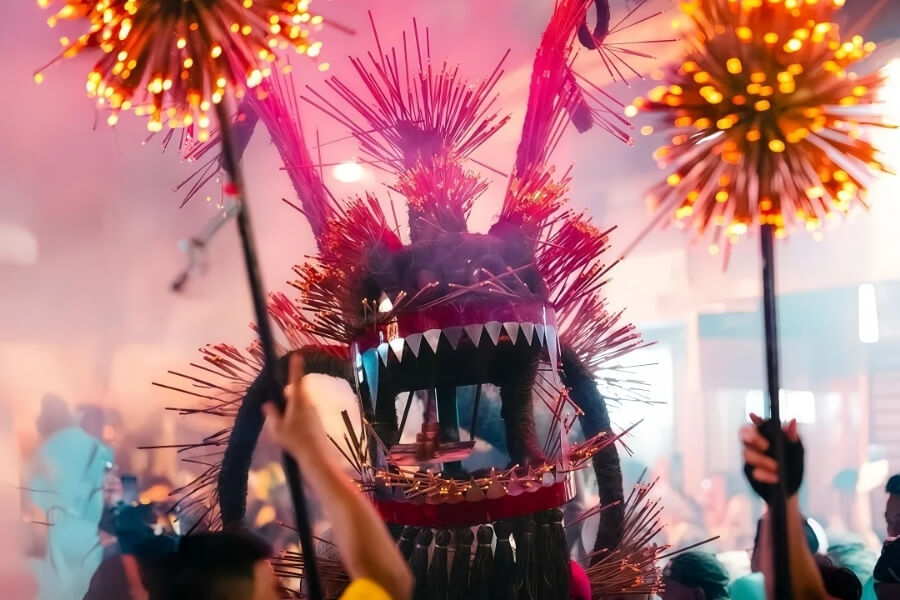
Compared with northern China, Hong Kong's festivals are usually faster-paced and more performance-oriented.
Travelers who enjoy:
Street performances
Night photography
Festival energy
Urban celebrations
may prefer Hong Kong over quieter mainland destinations.
However, accommodation prices rise sharply during Lunar New Year week, so early booking becomes important.
Guizhou — Better for Traditional Community Festivals
Parts of Guizhou still preserve smaller ethnic festivals connected to older dragon traditions and agricultural customs.
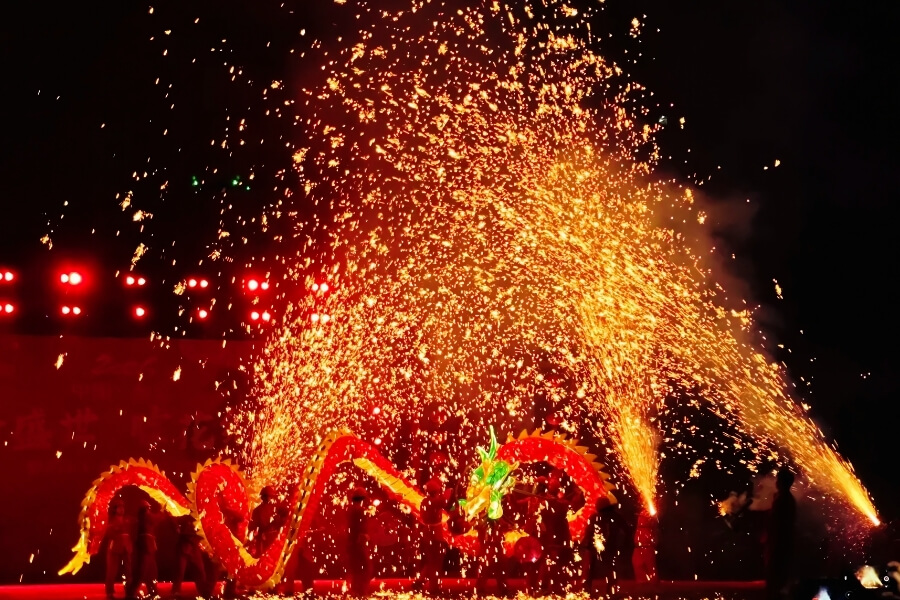
Compared with Beijing or Hong Kong, Guizhou offers:
Smaller crowds
Less commercialized festivals
Stronger local participation
Slower travel pace
This is often a better option for travelers who prioritize cultural interaction over large-scale performances.
Transportation infrastructure is improving, though travel times between villages may still be longer than in eastern China.
Xinjiang — Better for Slower Silk Road Travel
Xinjiang offers a different side of China's cultural landscape through Silk Road history, desert scenery, and long-distance regional travel.
Dragon culture is less visually dominant here than in Beijing or Hong Kong. However, many travelers choose Xinjiang because the slower pace aligns naturally with the broader Chinese idea that strength requires balance and patience.

Compared with high-speed eastern China itineraries, Xinjiang routes often involve:
Longer stays
Fewer city changes
More landscape-focused travel
Seasonal photography opportunities
Smaller group experiences
For travelers already feeling exhausted by crowded schedules or fast-paced travel, western China usually provides a calmer experience.
How Slow Travel Can Improve the China Experience
Many first-time visitors try to cover too many destinations in a short time.
Routes such as:
within one week often become physically exhausting due to airports, train transfers, hotel changes, and crowd pressure.
A slower regional route is usually a better choice for travelers who want:
More consistent pacing
Better photography conditions
Deeper cultural interaction
Fewer transportation transitions
More time outdoors
This approach becomes especially useful during high-pressure travel seasons in China.
Hiorient Travel focuses primarily on customized Silk Road and Xinjiang journeys designed around slower pacing, seasonal conditions, and regional cultural depth.
Many travelers prefer routes such as:
Ili grasslands during spring and summer
Kanas and Hemu photography trips in autumn
Heavenly Lake and Turpan during winter
Smaller village experiences away from major tour groups
For travelers interested in Dragon-related themes of balance, timing, and restraint, these slower western China routes often provide a more comfortable experience than fast-moving multi-city itineraries.
FAQ
Q1: What years are Dragon years?
Recent Dragon years include 1940, 1952, 1964, 1976, 1988, 2000, 2012, and 2024. The Dragon returns every 12 years in the Chinese zodiac cycle, although travelers born in January or early February should check Lunar New Year dates carefully.
Q2: Why is the Dragon so important in Chinese culture?
The Dragon represents authority, prosperity, rainfall, and protection in traditional Chinese culture. Unlike Western dragons, Chinese dragons are usually viewed positively and appear widely in imperial architecture, festivals, temple decorations, and Lunar New Year celebrations across China.
Q3: Is the Chinese Dragon different from Western dragons?
Yes. Western dragons are often associated with danger or destruction, while Chinese dragons traditionally symbolize wisdom, harmony, agricultural prosperity, and good fortune. This cultural difference becomes especially visible during festivals and historical sightseeing in China.
Q4: Is 2026 considered a good year for Dragons?
2026 is generally viewed as a year of gradual progress for Dragons. Career opportunities and financial stability may improve, but success depends more on patience, planning, and avoiding impulsive decisions than aggressive risk-taking.
Q5: Where can travelers experience Dragon culture in China?
Beijing is best for imperial dragon symbolism and palace architecture, while Hong Kong offers large Lunar New Year performances. Travelers looking for slower and less commercialized experiences may prefer Guizhou or Silk Road regions in western China.