People born in the Year of the Monkey are often associated with intelligence, adaptability, and quick decision-making in Chinese zodiac culture. The Monkey is the ninth animal in the 12-year zodiac cycle, following the Goat and preceding the Rooster.
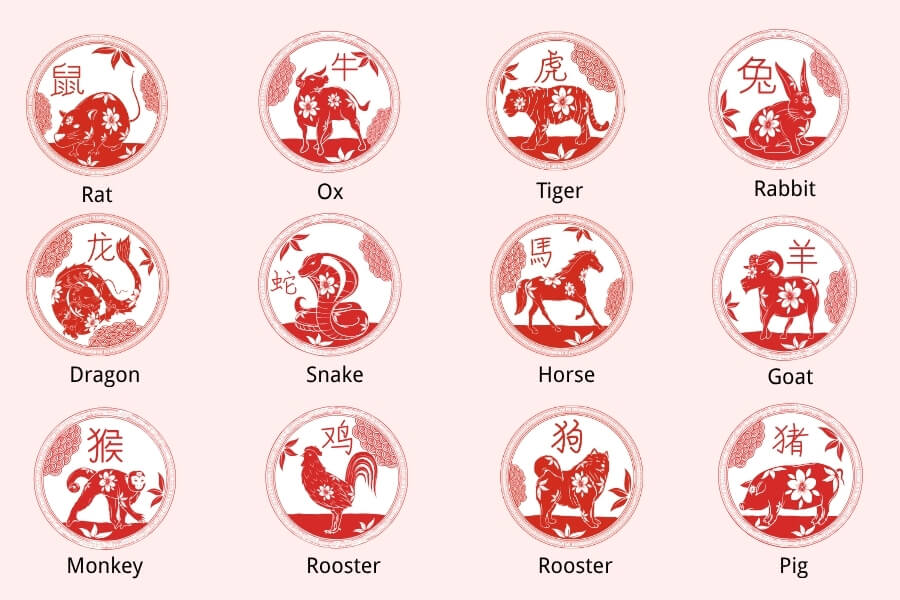
In Chinese culture, the Monkey is connected with flexibility, curiosity, humor, and social confidence. Monkey personalities are often described as mentally agile and comfortable with change, which is one reason the sign is commonly linked to independent travel, fast-moving careers, and socially active lifestyles.
Recent Monkey years include 2016, 2004, 1992, 1980, 1968, 1956, and 1944. The next Year of the Monkey begins in 2028.
Why the Monkey Symbolizes Intelligence in Chinese Culture
The Monkey has long represented cleverness and adaptability in Chinese folklore. Unlike zodiac animals associated with patience or stability, the Monkey is usually connected with movement, improvisation, and quick reactions.
In everyday Chinese conversation, describing someone as “monkey-like” often suggests that the person is observant, resourceful, or socially sharp.
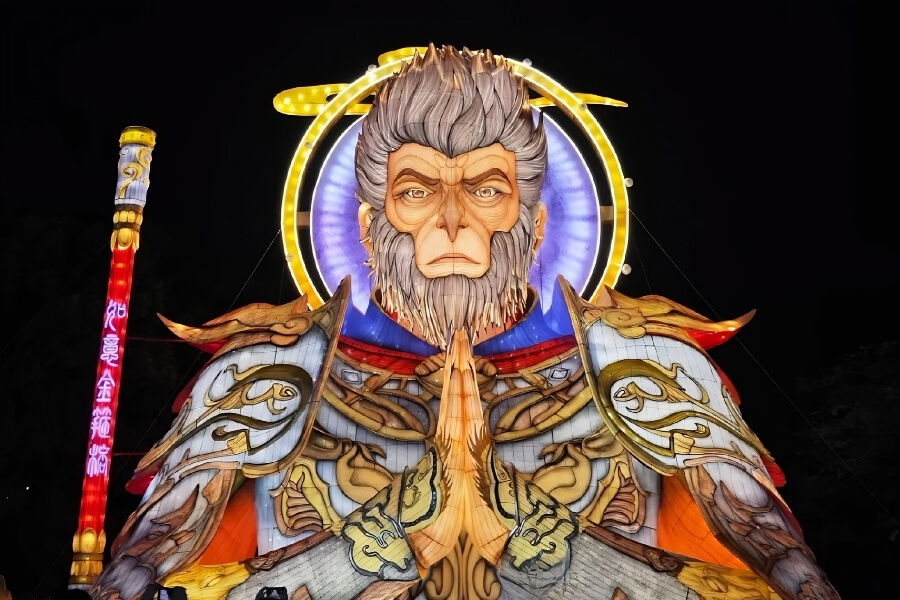
Monkey imagery also appears frequently during Lunar New Year celebrations through:
Paper cuttings
Lantern decorations
Temple fair souvenirs
Folk paintings
Zodiac-themed gifts
Travelers visiting China during Spring Festival will notice that zodiac symbols are more visible in traditional neighborhoods, temple fairs, and local markets than in modern commercial districts.
Which Years Are the Year of the Monkey?
The Chinese zodiac follows the lunar calendar rather than the Gregorian calendar. Chinese New Year usually falls between late January and mid-February, which means travelers born in January or February should double-check their zodiac year carefully.
Monkey Year Information
| Monkey Year | Lunar New Year Start | Element |
|---|---|---|
| 1944 | Jan. 25, 1944 | Wood Monkey |
| 1956 | Feb. 12, 1956 | Fire Monkey |
| 1968 | Jan. 30, 1968 | Earth Monkey |
| 1980 | Feb. 16, 1980 | Metal Monkey |
| 1992 | Feb. 4, 1992 | Water Monkey |
| 2004 | Jan. 22, 2004 | Wood Monkey |
| 2016 | Feb. 8, 2016 | Fire Monkey |
| 2028 | Jan. 26, 2028 | Earth Monkey |
If you plan to visit China during Lunar New Year, understanding the zodiac calendar can also help explain seasonal decorations, gift choices, and festival symbolism you may encounter during your trip.
What Are People Born in the Year of the Monkey Like?
People born in the Year of the Monkey are usually described as socially adaptable and mentally quick. They often enjoy variety, movement, and environments where they can react quickly to new situations.
Strengths Commonly Associated With the Monkey
Fast Adaptation
Monkey personalities usually adjust quickly to unfamiliar environments. Travelers who prefer flexible itineraries, independent exploration, or multi-city trips often relate to this trait.
Strong Social Awareness
Monkeys are traditionally viewed as expressive and socially confident. This personality style often matches destinations with active street life, local interaction, and changing schedules.
Problem-Solving Ability
The Monkey is strongly associated with creative thinking and improvisation. In Chinese culture, this trait is often admired during uncertain or rapidly changing situations.
Challenges Often Linked to the Monkey
Impatience With Slow Routines
Long, repetitive schedules may feel frustrating for Monkey personalities. Travelers planning extended trips may prefer routes with flexible pacing instead of tightly packed group tours.
Overcommitment
Monkey personalities often say yes to too many opportunities at once. During busy travel seasons in China, slower itineraries with fewer hotel changes may reduce unnecessary stress.
Emotional Avoidance
Traditional zodiac interpretations often describe Monkeys as people who hide stress behind humor or distraction. For travelers balancing work pressure and family obligations, quieter destinations sometimes feel more restorative than high-intensity city travel.
The Five Types of Monkey and What They Mean
In Chinese astrology, each Monkey year is linked to one of the Five Elements. These element variations are traditionally used to describe differences in personality and decision-making style.
| Element | Birth Years | Traditional Associations |
|---|---|---|
| Metal Monkey | 1980, 1920 | Ambitious, decisive, competitive |
| Water Monkey | 1992, 1932 | Flexible, observant, emotionally aware |
| Wood Monkey | 2004, 1944 | Cooperative, harmony-focused |
| Fire Monkey | 2016, 1956 | Energetic, adventurous, restless |
| Earth Monkey | 2028, 1968 | Practical, grounded, responsible |
These interpretations vary across regions and families. In modern China, zodiac personality discussions are often treated as cultural conversation starters rather than strict beliefs.
What 2026 May Bring for the Monkey Zodiac
The year 2026 is the Year of the Horse in the Chinese zodiac calendar. For people born in the Year of the Monkey, the year is often associated with heavier responsibilities, career visibility, and increased mental pressure.

A phrase commonly linked with Monkey luck in 2026 is:
“Able people have more work.”
This reflects a year where capable people may receive more opportunities, but also more expectations.
Career and Lifestyle Changes
Career development may become one of the strongest themes for Monkeys in 2026.
Early 2026 may feel slower and politically sensitive
Mid-year may bring promotions, leadership roles, or new responsibilities
Late 2026 may require stronger time management and clearer boundaries
For travelers with demanding schedules, shorter regional trips may feel more manageable than long multi-country itineraries during busy work periods.
Financial Planning
Traditional horoscope interpretations often describe 2026 as relatively stable financially, though unexpected family expenses may increase.
Many travelers planning longer China trips in 2026 may prefer:
Fewer destination changes
Slower pacing
Private transportation
Flexible scheduling
This approach can reduce travel fatigue while making multi-generational travel easier to manage.
Relationships and Family Priorities
Relationship themes in 2026 are usually connected with stability rather than dramatic change.
For many travelers, the larger challenge may be balancing work responsibilities with time spent with family members. This is one reason slower cultural journeys and nature-focused itineraries are becoming increasingly popular among professionals seeking more meaningful travel experiences.
Health and Energy Management
Traditional Monkey horoscope interpretations often mention stress, overwork, and fatigue rather than major illness.
Travelers planning intensive China itineraries during high-pressure work periods may prefer:
Fewer domestic flights
Longer stays in each destination
Routes with lighter physical demands
Flexible morning schedules
This style of travel usually works better for visitors trying to combine rest with cultural exploration.
Lucky Colors and Symbols Traditionally Linked to the Monkey
In traditional Chinese zodiac culture, the Monkey is commonly associated with colors such as gold, white, and blue, along with symbols connected to intelligence and movement.
These traditions remain most visible during Lunar New Year markets, temple fairs, and zodiac-themed seasonal decorations across China.
Which Zodiac Signs Match Best With the Monkey?
Chinese zodiac compatibility is traditionally discussed during family conversations, matchmaking, and marriage planning.
The Monkey is commonly viewed as most compatible with:
Rat
Dragon
Snake
These combinations are usually associated with balanced communication styles and complementary personalities.
Less compatible matches traditionally include Tiger and Pig, mainly because of differences in communication style and decision-making priorities.
What Kind of Work Fits the Monkey Personality?
Monkey personalities are often associated with environments that reward adaptability, communication, and quick reactions.
Careers commonly linked to the Monkey include:
Sales
Diplomacy
Journalism
Marketing
Entrepreneurship
Film production
Engineering
This personality type is usually more comfortable in fast-changing environments than highly repetitive routines.
Why the Monkey King Still Shapes Monkey Zodiac Culture
One of the most influential monkey figures in Chinese culture is Sun Wukong, also known as the Monkey King from Journey to the West.
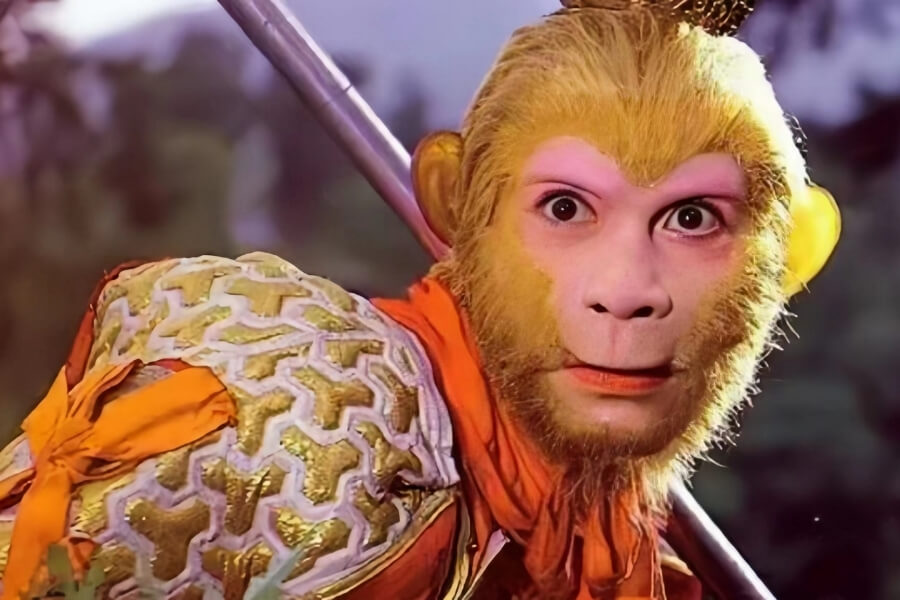
Why Sun Wukong Became So Influential
The character is associated with:
Intelligence
Transformation
Independence
Rebellion against authority
Fast problem-solving
Because of Sun Wukong's influence, the Monkey zodiac is often connected with wit, unpredictability, and strong survival instincts.
Where Travelers May Notice Monkey King Culture
Travelers exploring traditional Chinese culture may encounter Monkey King references in:
Temple murals
Folk performances
Traditional operas
Lantern Festival events
Souvenir markets
In destinations such as Beijing, Xi'an, and Dunhuang, references to Journey to the West still appear in traditional art and festival culture.
Where to Experience Chinese Zodiac Traditions in China
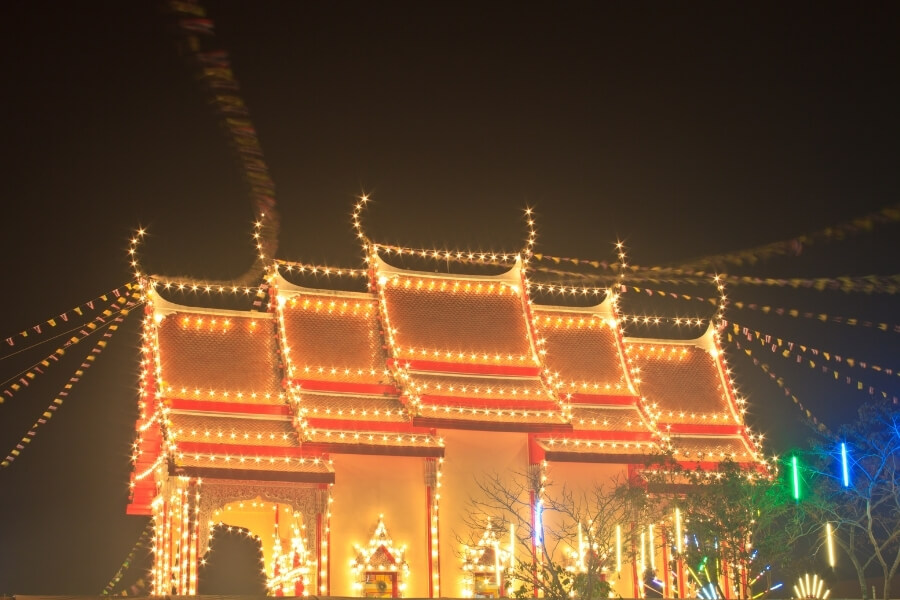
Chinese zodiac traditions become especially visible during Spring Festival and Lantern Festival celebrations.
Beijing
Temple fairs are one of the easiest ways for first-time travelers to experience zodiac traditions directly. Expect large crowds during the first days of Lunar New Year.
Chengdu
Chengdu offers a slower festival atmosphere with lantern displays, local performances, and easier walking conditions than many northern cities.
Xi'an
Traditional markets and historical districts often display zodiac decorations alongside Tang-style cultural performances during holiday periods.
Dunhuang
Dunhuang combines Silk Road history with Buddhist mural traditions, making it a better choice for travelers interested in historical and cultural interpretation rather than festival crowds.
FAQ
Q1: What years are the Year of the Monkey?
Recent Monkey years include 1944, 1956, 1968, 1980, 1992, 2004, and 2016. The next Year of the Monkey begins in 2028. Travelers born in January or February should also check the Lunar New Year date, since the Chinese zodiac follows the lunar calendar rather than January 1.
Q2: Why are Monkeys considered clever in Chinese culture?
The Monkey is traditionally linked with intelligence, adaptability, and quick thinking in Chinese culture. Much of this symbolism also comes from Sun Wukong, the Monkey King from Journey to the West, who is famous for his creativity, transformation abilities, and rebellious personality.
Q3: Is 2026 a good year for the Monkey?
Traditional horoscope interpretations describe 2026 as a productive but demanding year for the Monkey. Career opportunities and leadership responsibilities may increase, though many people may also feel greater pressure related to work-life balance and family responsibilities.
Q4: Which zodiac signs are usually considered most compatible with the Monkey?
Rat, Dragon, and Snake are traditionally viewed as the strongest compatibility matches for the Monkey. These pairings are commonly associated with balanced communication, complementary personalities, and stronger long-term understanding in Chinese zodiac culture.
Q5: Where can travelers experience Chinese zodiac culture in China?
Temple fairs in Beijing, Lantern Festival events in Chengdu, and traditional Spring Festival markets across Xi'an and other historic cities are among the easiest ways to experience zodiac traditions, folk performances, and seasonal decorations connected to the Chinese zodiac.
Slower China Journeys for a Busy Monkey Year
For many people born in the Year of the Monkey, 2026 may feel professionally productive but mentally crowded. Faster travel styles may become exhausting during periods of heavy responsibility.
Hiorient Travel recommends slower cultural routes with fewer hotel changes and more flexible pacing for travelers seeking a calmer experience.
Multi-generational journeys through Turpan, Dunhuang, Kanas, and the Pamir Plateau can provide quieter landscapes, stronger cultural immersion, and more comfortable schedules for families traveling together.
For travelers balancing work pressure with limited vacation time, private transportation and customized western China itineraries may reduce logistical stress while allowing more meaningful time in each destination.