The Rabbit is the fourth animal in the Chinese zodiac cycle, following the Tiger and preceding the Dragon. In traditional Chinese culture, the Rabbit represents peace, careful thinking, gentleness, and long-term stability.
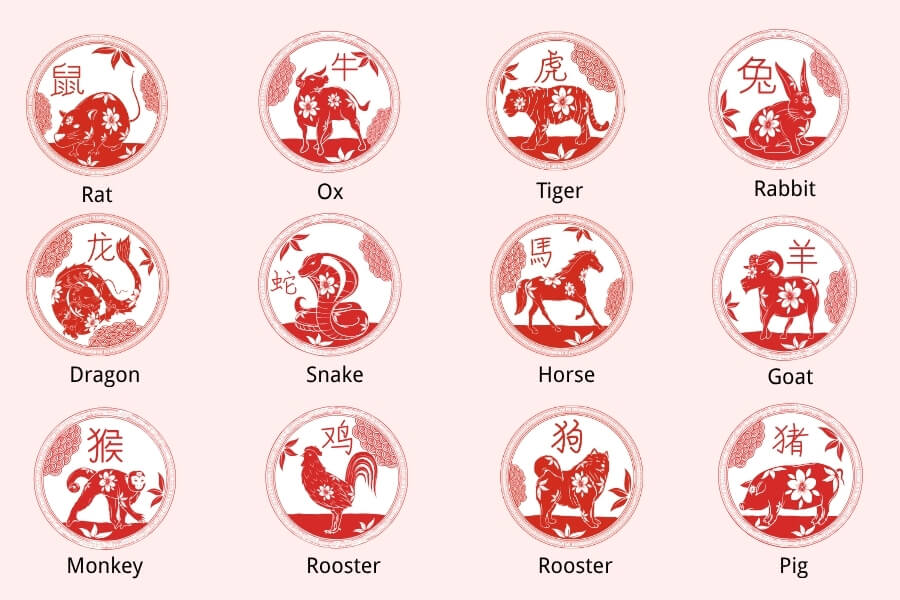
Compared with zodiac signs associated with power or competition, the Rabbit is connected with balance, patience, and emotional awareness. These ideas still appear across daily life in China today through art, folklore, decoration, and seasonal traditions.
For travelers, understanding Rabbit symbolism can help explain many details seen across China — from lantern displays and temple artwork to local customs, souvenir designs, and traditional stories connected with zodiac culture.
What the Rabbit Means in Chinese Tradition
In Chinese folklore, the Rabbit is often associated with calm behavior, diplomacy, and intelligence. Traditional stories describe the Rabbit as observant and careful rather than aggressive or forceful.
The Rabbit also appears in Chinese mythology through the story of the Jade Rabbit, a companion of Chang'e, the Moon Goddess. Because of this connection, Rabbit imagery frequently appears in lanterns, paper-cut art, and decorative patterns across China.
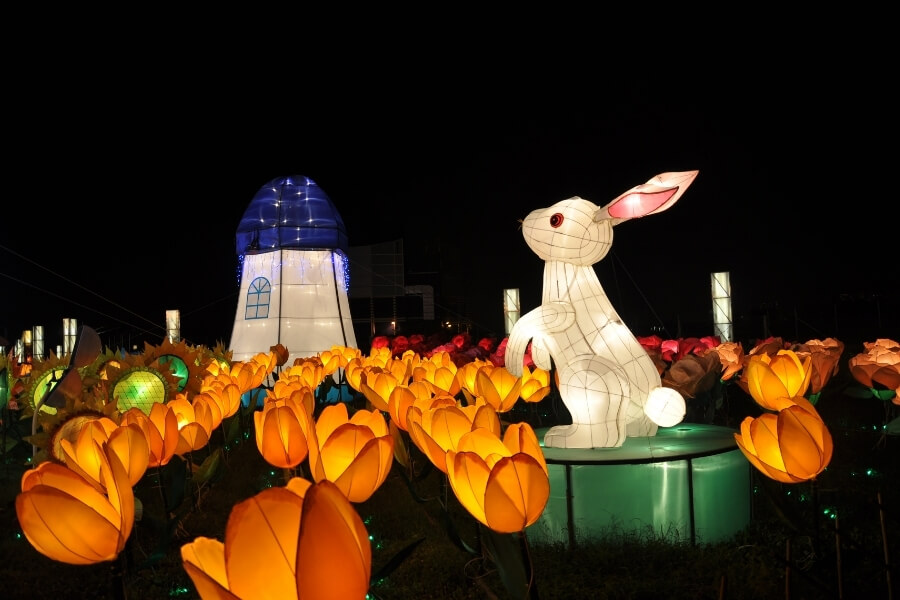
In traditional Chinese culture, Rabbit symbolism is commonly linked with:
Peaceful living
Emotional balance
Patience
Quiet confidence
Long-term stability
Travelers may notice that Rabbit-related decorations usually focus on harmony and family themes rather than wealth or power.
Which Years Are Considered Rabbit Years?
Recent Rabbit years include:
Rabbit Year Information
| Rabbit Year | Lunar New Year Start | Element |
|---|---|---|
| 2035 | February 8, 2035 | Wood Rabbit |
| 2023 | January 22, 2023 | Water Rabbit |
| 2011 | February 3, 2011 | Metal Rabbit |
| 1999 | February 16, 1999 | Earth Rabbit |
| 1987 | January 29, 1987 | Fire Rabbit |
| 1975 | February 11, 1975 | Wood Rabbit |
| 1963 | January 25, 1963 | Water Rabbit |
| 1951 | February 6, 1951 | Metal Rabbit |
The Chinese zodiac follows the lunar calendar rather than the Gregorian calendar. The zodiac year usually begins between late January and mid-February.
If you were born in January or February, it is important to check the exact Lunar New Year date for your birth year. Someone born in early January 2023, for example, may still belong to the Year of the Tiger rather than the Rabbit.
For travelers interested in traditional Chinese culture, zodiac years often influence public decorations, museum exhibitions, local artwork, and souvenir designs throughout China.
What Rabbit Personalities Are Traditionally Like
Rabbit personalities are traditionally associated with calm thinking and emotional sensitivity. In Chinese astrology, Rabbits are often described as people who prefer stable environments, careful planning, and peaceful relationships.
Common personality traits include:
Careful communication
Strong observation skills
Patience in decision-making
Loyalty to close relationships
Interest in art, culture, or aesthetics
Rabbit personalities are also known for avoiding unnecessary conflict. They often prefer quieter surroundings and may feel uncomfortable in highly competitive situations.
Traditional Chinese astrology also associates Rabbits with emotional caution. Under pressure, they may become anxious, overthink decisions, or avoid confrontation instead of addressing problems directly.
For travelers, these personality descriptions often align with slower and more experience-focused travel styles. Many Rabbit travelers may prefer cultural routes, photography journeys, smaller historical towns, or nature-focused itineraries instead of fast-paced city schedules.
The Five Rabbit Elements in Chinese Astrology
In Chinese astrology, each Rabbit year is connected with one of the Five Elements — Wood, Fire, Earth, Metal, or Water. These elemental categories are traditionally used to explain differences in personality and behavior.
| Element | Years | Common Characteristics |
|---|---|---|
| Wood Rabbit | 1975, 2035 | Social, adaptable, creative |
| Fire Rabbit | 1987 | Energetic, expressive, confident |
| Earth Rabbit | 1999, 1939 | Practical, disciplined, stable |
| Metal Rabbit | 1951, 2011 | Focused, reserved, determined |
| Water Rabbit | 1963, 2023 | Flexible, intuitive, emotionally aware |
Each elemental Rabbit appears once every 60 years.
Travelers interested in traditional Chinese philosophy may notice Five Elements symbolism in Chinese gardens, architecture, local crafts, and cultural performances across different regions.
Western China and Silk Road destinations often provide more opportunities to experience these traditional cultural influences in daily life, especially in historic towns and slower-paced rural areas.
How Rabbit Symbols Appear Across China
Rabbit symbolism appears in many parts of Chinese visual culture and seasonal traditions.
Travelers may notice Rabbit imagery in:
Lantern festivals
Temple decorations
Traditional paper-cut art
Zodiac souvenir markets
Folk performances
Ceramic and textile patterns
In cities such as Beijing, Shanghai, Xi'an, and Chengdu, zodiac-themed public displays are common during major cultural festivals.
In smaller towns and traditional neighborhoods, Rabbit symbolism often appears in more subtle forms through handmade decorations, local crafts, and family traditions.
Travelers interested in photography may prefer visiting cultural markets early in the morning when crowds are lower and local activity is easier to observe.
Where Travelers Can Experience Zodiac Culture in China
Different destinations in China offer very different experiences of traditional zodiac culture.
| Destination | Best For | Experience Style | Travel Notes |
|---|---|---|---|
| Beijing | Temple fairs and traditional culture | Historic and ceremonial | Larger crowds, colder winters |
| Shanghai | Lantern displays and city festivals | Urban and modern | Easier transportation access |
| Xi'an | Tang-style cultural atmosphere | Historical and immersive | Good for first-time cultural travelers |
| Chengdu | Folk culture and local lifestyle | Relaxed and slower-paced | Easier walking pace |
| Kashgar | Silk Road traditions and regional markets | Local and less commercialized | Better with guided planning |
Xi'an and Chengdu are often easier choices for travelers visiting China for the first time because transportation and tourism infrastructure are more straightforward.
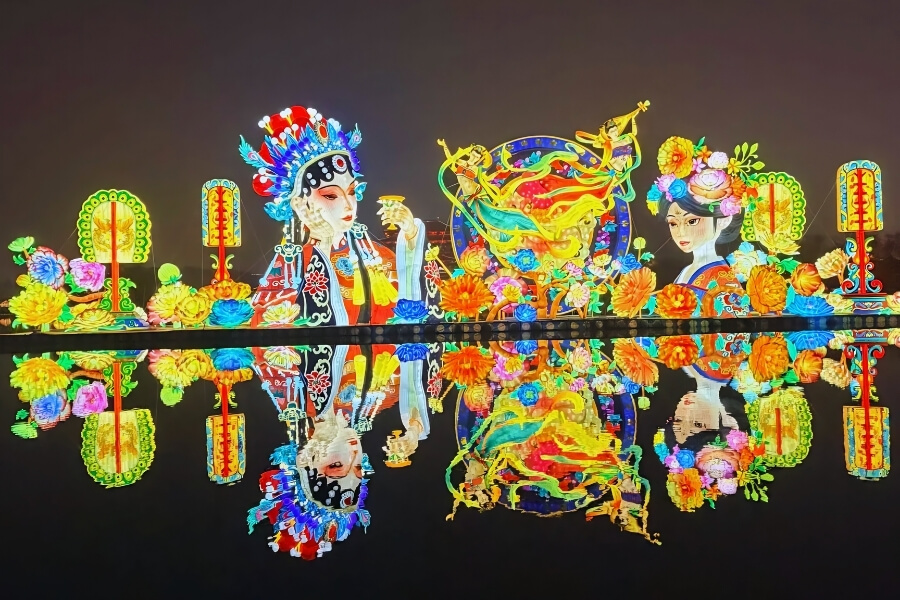
Kashgar provides a very different experience focused on Silk Road culture and local markets, but transportation planning may require more preparation due to longer travel distances and language barriers.
For travelers who prefer quieter routes and more regional cultural experiences, private or customized itineraries can help reduce transportation complexity and improve time efficiency in western China.
Hiorient Travel focuses on English-guided Silk Road and Xinjiang journeys designed for travelers who prefer cultural depth, photography opportunities, and slower travel pacing rather than high-speed multi-city schedules.
What 2026 May Bring for Rabbit Signs
According to traditional Chinese astrology, 2026 is expected to be a year of adjustment and activity for Rabbit signs.
The year is commonly associated with:
Learning opportunities
Increased social interaction
Creative work
Career development
More frequent schedule changes
Traditional forecasts also suggest that Rabbits may benefit from maintaining stable routines and avoiding impulsive decisions during busy periods.
Work and Daily Balance
2026 may favor careful planning and long-term projects over rapid decision-making. Communication and patience are traditionally viewed as important strengths for Rabbit personalities during this period.
Financial Habits
Traditional astrology often recommends practical budgeting and stable financial planning rather than high-risk investments.
Relationships
Relationship development may improve through consistent communication and realistic expectations instead of rushed decisions.
Health and Travel Pace
Traditional interpretations often connect Rabbit signs with emotional fatigue during periods of excessive pressure. Slower travel schedules, additional rest time, and less crowded routes may provide a more comfortable experience for travelers who prefer lower-stress itineraries.
Traditional Lucky Symbols Associated With the Rabbit
Common lucky symbols associated with the Rabbit include:
| Category | Traditional Associations |
|---|---|
| Lucky Colors | Red, pink, blue, green, yellow |
| Lucky Numbers | 0, 2, 3, 4, 6 |
| Lucky Directions | East, south, northwest |
Traditional unlucky associations include:
Numbers 1, 5, 7, 8, and 9
Dark brown, black, and deep yellow colors
West and southwest directions
In Chinese culture, many people wear red during their zodiac year, known as Ben Ming Nian, as a traditional symbol of protection and good fortune.
Travelers visiting traditional markets may notice zodiac-themed bracelets, red accessories, paper charms, and decorative ornaments connected with these cultural beliefs.
Which Zodiac Signs Match Best With the Rabbit
Rabbit signs are traditionally viewed as emotionally supportive and relationship-oriented.
Best Matches
| Zodiac Sign | Common Compatibility Traits |
|---|---|
| Goat | Calm communication and emotional understanding |
| Dog | Stability, trust, and loyalty |
| Pig | Warmth, patience, and mutual comfort |
More Challenging Matches
| Zodiac Sign | Common Differences |
|---|---|
| Rooster | Different communication styles |
| Dragon | Contrasting personalities and priorities |
| Rat | Long-term value differences |
Traditional compatibility interpretations are generally based on personality balance rather than fixed predictions.
For couples traveling together, destinations with slower pacing and flexible schedules are often more comfortable than heavily packed itineraries with constant transportation changes.
Careers Often Associated With Rabbit Personalities
Rabbit personalities are traditionally associated with careers requiring patience, communication, creativity, or attention to detail.
Common career fields include:
Education
Design and art
Writing and publishing
Finance and accounting
Architecture
Photography
Cultural tourism
Public relations
Many Rabbit personalities are thought to prefer organized working environments with lower levels of confrontation and unpredictability.
Travelers interested in photography, local storytelling, or regional culture often find Silk Road destinations particularly suitable for slower observation-based travel experiences.
Practical Travel Tips for Cultural Trips in China
Traveling through China's major cultural regions often requires balancing transportation efficiency with realistic pacing.
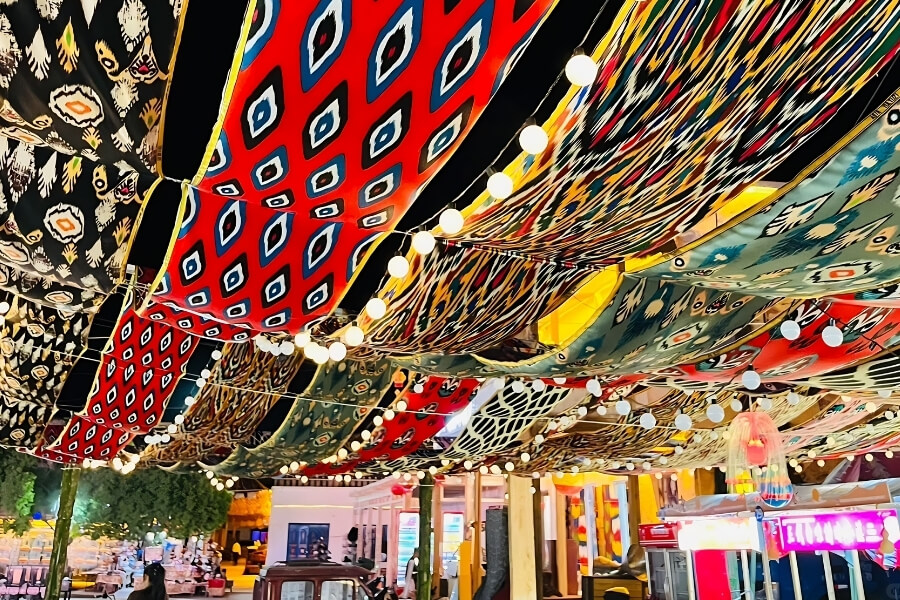
For travelers interested in zodiac culture and traditional experiences:
Historical cities usually provide easier cultural access than remote areas
Early morning visits are often better for photography and lower crowd levels
Private transportation can reduce transfer complexity in western China
Smaller cultural sites may offer more local interaction than major tourist landmarks
Slower itineraries generally work better for travelers interested in markets, crafts, and regional traditions
Xi'an, Chengdu, and parts of Xinjiang are often better suited for travelers who prefer cultural depth instead of fast-paced sightseeing schedules.
For longer western China routes, customized planning can help reduce transportation fatigue and improve schedule flexibility, especially in areas where public transit connections are limited.
FAQ
Q1: Is the Rabbit considered lucky in Chinese culture?
Yes. In traditional Chinese culture, the Rabbit is associated with peace, patience, emotional balance, and long-term stability. Rabbit symbolism often appears in decorations, folk art, and cultural traditions connected with harmony and family life.
Q2: Why do Rabbit years start on different dates?
Chinese zodiac years follow the lunar calendar rather than the Gregorian calendar. Because Lunar New Year changes annually between January and February, people born during those months should check the exact holiday date for their birth year.
Q3: Which destinations are best for experiencing traditional zodiac culture?
Beijing, Xi'an, Chengdu, Shanghai, and Kashgar all provide different cultural experiences connected with zodiac traditions. Xi'an and Chengdu are often easier for first-time visitors, while Kashgar offers a more regional Silk Road atmosphere.
Q4: What type of travel style may suit Rabbit personalities?
Traditional interpretations often associate Rabbit personalities with slower-paced travel focused on culture, photography, local markets, and quieter historical areas rather than tightly packed sightseeing schedules or high-intensity city itineraries.
Q5: Is western China suitable for cultural travel?
Yes. Xinjiang and Silk Road regions provide strong cultural and historical experiences, especially for travelers interested in local traditions, desert landscapes, and regional markets. Longer travel distances usually require more careful transportation and itinerary planning.
Experiencing Rabbit Culture While Traveling in China
The Year of the Rabbit reflects more than zodiac symbolism. It also offers insight into how traditional Chinese culture values balance, patience, stability, and emotional awareness.
For travelers, understanding Rabbit symbolism can make cultural experiences across China easier to recognize and interpret — from lantern displays and local crafts to traditional artwork and regional customs.
Cities such as Xi'an and Chengdu provide accessible introductions to zodiac culture, while Silk Road destinations offer slower and more regional experiences connected with traditional lifestyles and historic trade routes.
For travelers who prefer deeper cultural experiences with more flexible pacing, Hiorient Travel provides English-guided Silk Road and Xinjiang journeys focused on local culture, photography, regional history, and practical travel efficiency across western China and the Silk Road.