The Tiger is the third animal in the 12-year cycle of the Chinese zodiac. In Chinese culture, the Tiger represents courage, protection, leadership, and strength. Traditionally known as the “King of Beasts,” the Tiger has long been associated with authority, justice, and the ability to drive away evil spirits.
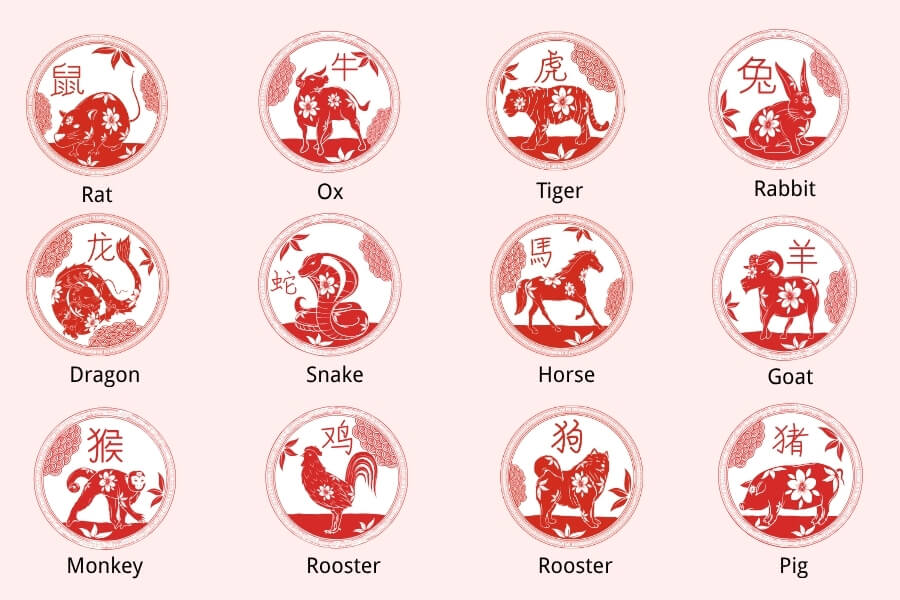
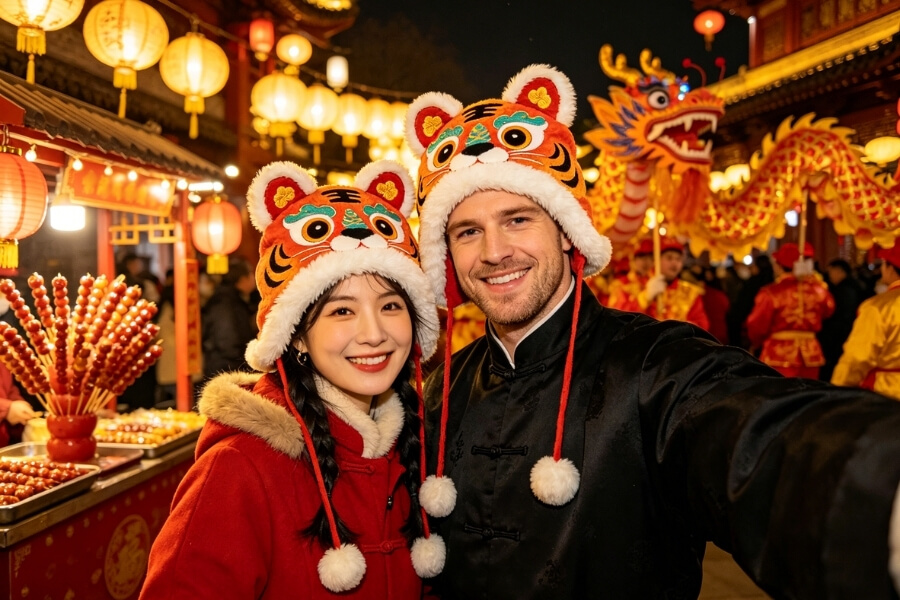
Travelers visiting China during Lunar New Year will often notice Tiger imagery in temple fairs, lantern festivals, folk markets, and traditional decorations. In many regions, Tiger symbols still appear in children's clothing, embroidery, paper cutting, and festival displays connected to wishes for safety and prosperity.
For visitors interested in understanding Chinese zodiac culture beyond basic horoscope meanings, the Year of the Tiger offers a useful introduction to traditional beliefs, seasonal customs, and regional cultural experiences across China.
What the Tiger Represents in Chinese Culture
In traditional Chinese culture, the Tiger symbolizes bravery, protection, and authority. Ancient Chinese communities believed Tigers could guard homes and villages against danger and evil spirits.
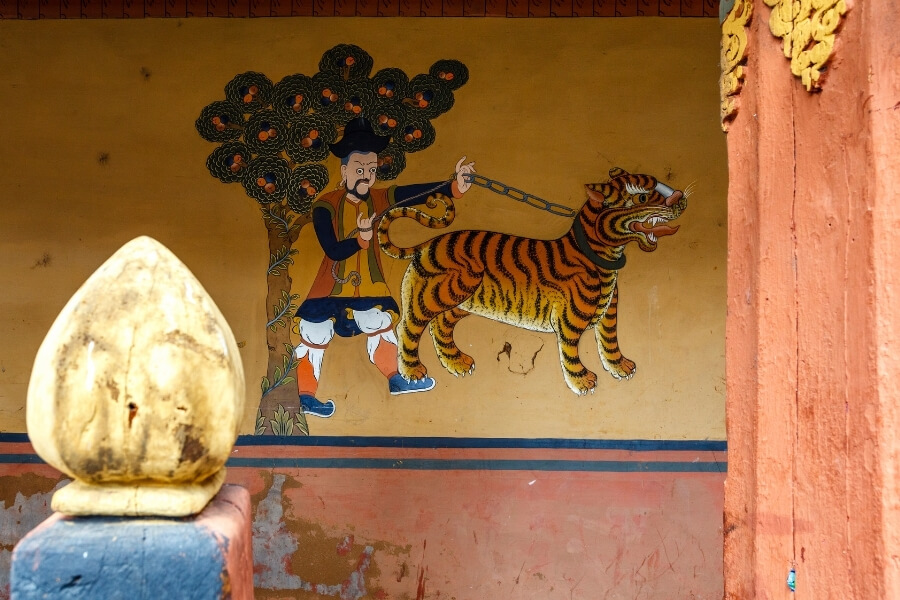
Travelers exploring historic districts, folk museums, or Spring Festival markets in China may frequently see Tiger imagery in:
Temple murals
New Year decorations
Folk embroidery
Children's hats and shoes
Traditional paintings
In imperial China, Tigers were often associated with military power and leadership. Many historical artworks portray Tigers standing on rocks or guarding entrances as symbols of strength and protection.
For travelers interested in traditional Chinese symbolism, northern China often preserves stronger visual zodiac traditions during Lunar New Year celebrations than many modern urban districts.
Which Years Are the Year of the Tiger?
The Year of the Tiger appears every 12 years in the Chinese zodiac cycle.
Recent Tiger years include:
Tiger Year Elements
| Tiger Year | Element |
|---|---|
| 2034 | Wood Tiger |
| 2022 | Water Tiger |
| 2010 | Metal Tiger |
| 1998 | Earth Tiger |
| 1986 | Fire Tiger |
| 1974 | Wood Tiger |
| 1962 | Water Tiger |
| 1950 | Metal Tiger |
| 1938 | Earth Tiger |
| 1926 | Fire Tiger |
Why Chinese Zodiac Years Don't Match the Western Calendar
Chinese zodiac signs follow the lunar calendar rather than the Gregorian calendar. Because Chinese New Year falls between late January and mid-February, zodiac years do not begin on January 1.
This often creates confusion for international travelers and overseas Chinese families researching zodiac signs.
For example:
A person born on January 20, 2022 belongs to the Year of the Ox
A person born on February 5, 2022 belongs to the Year of the Tiger
Travelers visiting China during the Spring Festival period may also notice that many holiday traditions, decorations, and public celebrations officially begin only after the Lunar New Year starts.
Personality Traits of People Born in the Year of the Tiger
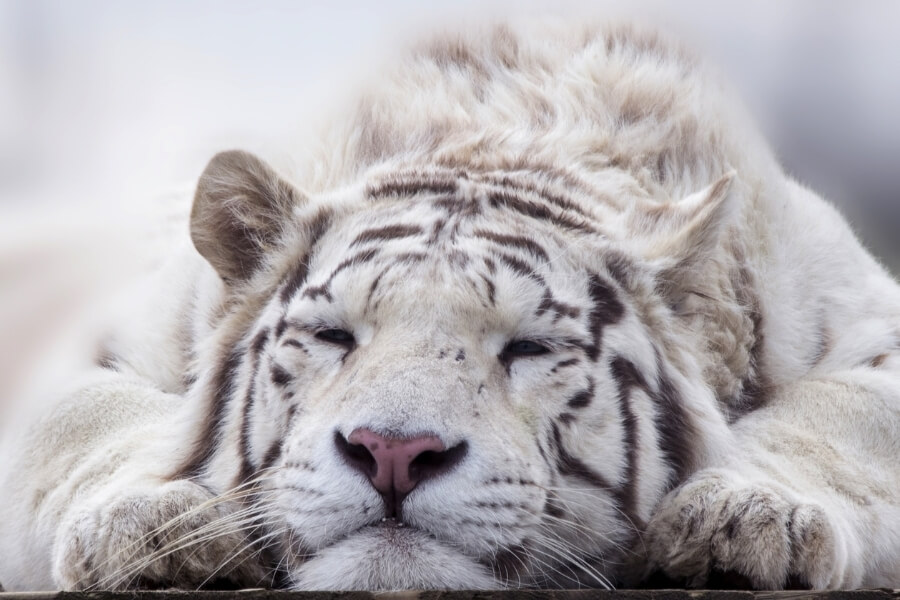
People born in the Year of the Tiger are commonly described as energetic, independent, and adventurous. Traditional Chinese zodiac interpretations associate Tigers with confidence and leadership.
Tiger Strengths
Common strengths linked with Tigers include:
Leadership ability
Confidence
Determination
Strong sense of justice
Adventurous personality
Direct communication style
Tigers are often portrayed in Chinese zodiac culture as people who prefer action over hesitation and challenges over routine.
Common Weaknesses of Tigers
Traditional zodiac interpretations also describe several common Tiger weaknesses:
Impatience
Emotional reactions
Overconfidence
Stubbornness
Difficulty accepting criticism
Because Tigers prefer independence, they may sometimes make decisions too quickly without fully considering long-term consequences.
Differences Between Tiger Men and Tiger Women
Tiger men are traditionally associated with ambition, competitiveness, and strong career goals. They often dislike repetitive work and prefer positions involving leadership or decision-making.
Tiger women are commonly described as socially active, energetic, and independent. In traditional Chinese culture, they are also associated with strong protective instincts toward family members and children.
Travelers interested in zodiac culture may hear these personality descriptions frequently during Chinese New Year conversations, especially among older generations.
The Five Types of Tiger in Chinese Astrology
In Chinese astrology, each Tiger year is connected to one of the Five Elements — Wood, Fire, Earth, Metal, or Water. This creates five different types of Tiger personalities.
| Element | Birth Years | Characteristics |
|---|---|---|
| Wood Tiger | 1974, 2034 | Cooperative, idealistic, responsible |
| Fire Tiger | 1926, 1986 | Passionate, confident, impulsive |
| Earth Tiger | 1938, 1998 | Practical, patient, realistic |
| Metal Tiger | 1950, 2010 | Competitive, determined, stubborn |
| Water Tiger | 1962, 2022 | Flexible, intuitive, intelligent |
Travelers exploring Chinese temples, astrology markets, or traditional cultural streets may occasionally encounter Five Elements references connected to zodiac signs, feng shui, or Chinese philosophy.
Tiger Symbolism in Traditional Chinese Life
Tiger symbolism still appears in many parts of everyday traditional culture in China.
Travelers visiting China during Lunar New Year will often see Tiger images in:
Temple fairs
Folk markets
Lantern festivals
Traditional paper cutting
Handcrafted embroidery
Historically, many Chinese families believed Tiger imagery could protect children and households from bad luck or illness.
In Taoist traditions, Tigers were also associated with mountain guardians and protective spiritual energy. Some historic temples and folk paintings still preserve these visual symbols today.
For visitors interested in cultural photography, zodiac decorations are usually easier to see in older neighborhoods, traditional markets, and regional festival events than in modern commercial districts.
Why Tiger Shoes and Hats Are Popular for Chinese Children
Travelers visiting traditional Spring Festival markets in northern China may notice children wearing Tiger-head shoes and embroidered Tiger hats.
These items are traditionally believed to protect children from illness and negative energy. Tiger-themed clothing has remained part of Chinese folk culture for generations, especially in areas where older family traditions remain active.
Places where travelers are more likely to see these traditions include:
Beijing temple fairs
Xi'an folk markets
Traditional craft streets
Rural Spring Festival celebrations
Handmade Tiger embroidery products are also common souvenirs during Lunar New Year travel seasons.
What Is Ben Ming Nian for Tigers?
Ben Ming Nian refers to the zodiac year matching a person's birth sign.
For Tigers, years such as 2022 and 2034 are considered Ben Ming Nian years.
In traditional Chinese beliefs, Ben Ming Nian may bring instability or unexpected challenges. Because of this, many people wear red accessories for protection and good luck.
Travelers visiting China before or during Lunar New Year may see stores selling:
Red bracelets
Red socks
Red belts
Zodiac-themed decorations
These customs become especially visible in shopping streets, temple fairs, and local holiday markets shortly before Chinese New Year begins.
Tiger Horoscope and Fortune for 2026
The year 2026 is the Year of the Fire Horse. According to traditional Chinese zodiac interpretations, Tigers may experience an active and opportunity-filled year with both progress and pressure.
Career Outlook
Tigers may experience stronger career momentum in 2026, especially in leadership, entrepreneurship, or creative industries.
Traditional horoscope interpretations suggest that:
February to March may bring career opportunities
July to October could support promotions or business expansion
However, impulsive decisions and workplace conflicts should be handled carefully.
Wealth and Money
Financially, 2026 may bring stable income and possible investment opportunities.
November is traditionally viewed as one of the stronger financial periods for Tigers. At the same time, August and October may involve financial pressure or unexpected expenses.
Travelers planning long-distance China trips during major holiday periods may also benefit from booking transportation and accommodations earlier due to seasonal crowding and price increases.
Love and Relationships
Single Tigers may experience stronger relationship opportunities during spring and autumn.
For couples, communication and emotional balance become more important during the first half of the year. Traditional zodiac interpretations suggest avoiding unnecessary conflict caused by impatience or emotional reactions.
Health and Wellness
Tigers are generally associated with high energy levels, but overwork and stress may become problems in 2026.
Traditional horoscope interpretations recommend paying attention to:
Sleep routines
Digestive health
Emotional burnout
Respiratory conditions
Travelers planning high-intensity China itineraries during crowded festival seasons may prefer slower regional routes with fewer long-distance transfers.
Lucky Colors, Numbers, and Directions for Tigers
Traditional Chinese zodiac beliefs connect Tigers with several lucky symbols.
| Category | Lucky | Unlucky |
|---|---|---|
| Numbers | 1, 2, 3, 4, 7 | 6, 8, 9 |
| Colors | Blue, green, orange, gray | Brown, black |
| Directions | East, north, south, northeast | Southwest, northwest |
| Flowers | Cineraria, yellow lily, plum blossom | — |
Travelers visiting Chinese New Year markets may notice that zodiac-themed gifts, decorations, and clothing often use these lucky colors and symbols throughout the holiday season.
Love Compatibility for Tigers
Chinese zodiac compatibility focuses on personality balance and emotional communication rather than strict rules.
Best Matches
Tigers are traditionally considered most compatible with:
Horse
Dog
Pig
These signs are believed to share stronger emotional support and complementary personalities.
Less Compatible Matches
Traditional zodiac interpretations suggest Tigers may experience more personality conflicts with:
Monkey
Snake
Ox
Goat
However, most modern Chinese families view zodiac compatibility as cultural reference rather than absolute relationship guidance.
Travelers joining local family celebrations during Lunar New Year may still hear zodiac compatibility discussed in conversations about marriage or family expectations.
Best Career Paths for Tigers
Tigers are usually associated with careers involving independence, leadership, and competition.
Traditional Chinese zodiac interpretations often connect Tigers with careers such as:
Entrepreneur
Athlete
Pilot
Politician
Artist
Writer
Adventure guide
Business executive
Tigers are generally considered less suited to repetitive office work or highly routine-based environments.
In Chinese zodiac culture, it is also common to hear that Tigers may experience unstable career development during their younger years before becoming more financially stable after their 30s.
Where to Experience Chinese Zodiac Culture in China
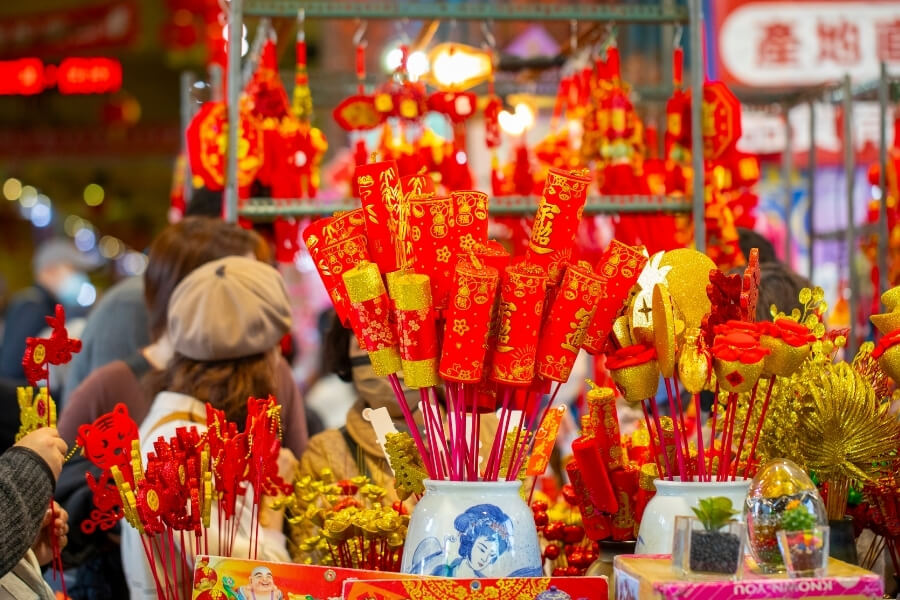
Travelers interested in Chinese zodiac traditions can experience them most clearly during Lunar New Year celebrations and seasonal cultural festivals.
Beijing
Beijing is one of the better choices for travelers who want large-scale Lunar New Year celebrations with easier transportation access.
Temple fairs in Beijing often include:
Zodiac lantern displays
Traditional performances
Folk crafts
New Year markets
Tiger-themed decorations
Xi'an
Xi'an may suit travelers interested in historical folk customs and traditional northern Chinese culture.
During Spring Festival, visitors can often see:
Paper cutting art
Traditional lantern displays
Folk dance performances
Zodiac-themed street decorations
Shanghai
Shanghai offers a more modern festival atmosphere with stronger international accessibility.
Travelers who prefer:
Urban transportation convenience
Modern city celebrations
Public light displays
Shorter walking distances
may find Shanghai easier to navigate during holiday periods.
Xinjiang and the Silk Road Region
Xinjiang is less focused on traditional zodiac celebrations than eastern China, but it offers a broader cultural travel experience connected to Silk Road history, ethnic traditions, desert landscapes, and seasonal photography.

Travelers interested in exploring cultural experiences beyond major tourist cities may prefer Silk Road routes through Xinjiang, especially for longer itineraries combining landscapes, local markets, and regional traditions.
Travelers visiting China during Spring Festival often face crowded transportation, limited English support, and rapidly changing holiday schedules.
For visitors interested in exploring regional culture beyond major urban destinations, planning routes across different areas can also become time-consuming.
Hiorient Travel provides customized Silk Road and Xinjiang itineraries designed for travelers seeking more flexible cultural experiences, local guidance, and smoother transportation planning across western China.
FAQ
Q1: What does the Tiger symbolize in Chinese culture?
In Chinese culture, the Tiger symbolizes courage, authority, protection, and strength. Traditionally viewed as the “King of Beasts,” Tiger imagery was believed to drive away evil spirits and protect families and children. Travelers visiting China during Lunar New Year can often see Tiger symbols in temple fairs, folk crafts, and traditional decorations.
Q2: Which years are considered Tiger years?
Recent Tiger years include 2022, 2010, 1998, 1986, 1974, 1962, and 1950, with the next Year of the Tiger arriving in 2034. Because the Chinese zodiac follows the lunar calendar, travelers born in January or early February should check the Lunar New Year date carefully before confirming their zodiac sign.
Q3: Why do Chinese children wear Tiger shoes and hats?
Tiger-head shoes and embroidered Tiger hats are traditional symbols of protection in Chinese folk culture. Many families historically believed Tiger imagery could help protect children from illness and bad luck. These traditions are still visible in northern China during Spring Festival markets and temple fair celebrations.
Q4: Is 2026 considered a lucky year for Tigers?
Traditional Chinese horoscope interpretations suggest that 2026 may bring strong opportunities in career and finances for Tigers, especially during the second half of the year. However, emotional balance, stress management, and avoiding impulsive decisions remain important throughout the year according to traditional zodiac beliefs.
Q5: Which zodiac signs are most compatible with Tigers?
Horse, Dog, and Pig are traditionally viewed as the most compatible zodiac signs for Tigers because of their complementary personalities and emotional support. In modern Chinese culture, zodiac compatibility is usually treated as cultural guidance rather than a strict rule for relationships or marriage decisions.